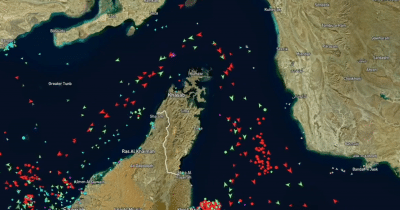
Iran has closed the Strait of Hormuz, the narrow waterway that carries roughly a fifth of the world's oil supply. The move, first reported by Crypto Briefing, immediately escalated geopolitical tensions and set off alarms across global energy markets. For crypto traders already dealing with a choppy 2026, the closure adds another layer of macro risk — one that could send volatility rippling through both traditional and digital assets.
Why the Strait matters
The Strait of Hormuz connects the Persian Gulf to the Gulf of Oman and is the single most important chokepoint for seaborne oil. Any disruption there tends to spike crude prices and rattle markets worldwide. Iran's decision to shut it — whether temporary or open-ended — puts energy supplies at risk and forces governments to weigh emergency reserves or alternative routes. The immediate effect is uncertainty, and markets hate uncertainty.
Diplomatic fallout
The timing isn't great for diplomacy. A U.S. envoy has delayed a planned trip to Switzerland, a sign that the closure is already complicating negotiations between Washington and Tehran. The White House hasn't commented publicly on the delay, but the message is clear: the Strait closure is a new variable in an already tense relationship. Talks that were meant to de-escalate are now on hold.
Crypto market context
Bitcoin and other cryptocurrencies aren't directly tied to oil, but they're not immune to macro shocks. A spike in energy prices can fuel inflation fears, which in turn pressure risk assets — including crypto. Hedge funds and institutional traders often treat digital assets as part of a broader risk-on portfolio, so a geopolitical event like this can trigger simultaneous selling. The coming days will show whether crypto holds up or follows traditional markets lower.
No one knows how long the Strait will stay closed. Iran hasn't given a timeline, and the U.S. envoy's Switzerland trip remains postponed. For now, traders are watching oil futures and waiting for official statements from Washington or the United Nations. The Strait's status could change within hours, but the diplomatic logjam might take much longer to clear.