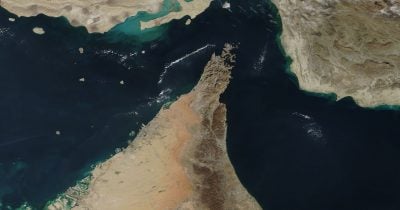
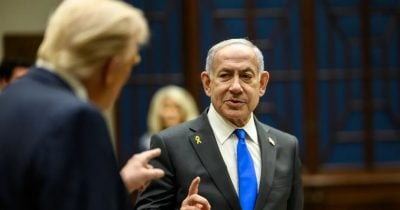
Iran has expressed a willingness to hold talks in Geneva, Doha, or Islamabad, according to official statements. The offer comes as the country continues to face an ongoing conflict in 2026, though specific details of the conflict were not disclosed.
Tehran's Three-City Proposal
The Iranian government indicated that it is open to negotiations in any of the three cities. The announcement did not specify which parties would be involved or what topics would be on the table. The offer appears to be a diplomatic gesture amid the current hostilities. It is unclear whether the proposal has been formally communicated to other governments or international organizations.
The choice of multiple venues suggests flexibility on Iran's part. By offering three different locations, Tehran may be trying to increase the chances of finding a mutually acceptable site. Each city has its own diplomatic advantages and historical precedents for hosting international talks.
The Proposed Venues
Geneva, Doha, and Islamabad have each served as locations for international diplomacy in the past. Geneva is known for hosting multilateral talks, Doha has been a site for regional negotiations, and Islamabad has also played a role in diplomatic efforts. Iran's choice of these cities suggests a desire for a neutral setting.
Geneva is a traditional venue for high-level diplomacy, home to numerous United Nations agencies and frequently used for peace negotiations. Doha, the capital of Qatar, has become a key mediator in regional conflicts and has hosted talks involving various parties. Islamabad, as the capital of Pakistan, offers a location in South Asia that may be seen as more accessible to certain actors.
The offer of multiple venues could also be a strategic move to gauge the interest of potential negotiating partners. By putting forward several options, Iran may be testing the waters for a broader diplomatic engagement.
Conflict Context
The ongoing conflict in 2026 has drawn international attention. Iran's openness to talks could signal a potential shift in strategy. However, no concrete timeline or agenda has been announced. The conflict itself remains a central factor in any potential negotiations.
The nature of the conflict has not been detailed in the announcement. It is not clear whether the talks would focus on ending hostilities, addressing underlying issues, or discussing broader regional security. The offer comes amid reports of continued fighting and humanitarian concerns, though those details are not part of the official statement.
Iran's willingness to engage in dialogue may be seen as a response to international pressure or as an attempt to de-escalate tensions. Without further information, the motivations behind the offer remain speculative.
What Comes Next
No date has been set for any talks, and it remains unclear which parties would participate. The offer is on the table, but the path to actual negotiations is uncertain. The coming weeks may reveal whether the other sides respond positively.
Diplomatic observers will be watching for any signals from potential participants. The success of any talks would depend on the willingness of all parties to engage in good faith. For now, the ball is in the court of those who might join Iran at the negotiating table.