Iran moved $18 billion worth of crude oil during the 2026 war and the ceasefire that followed, relying on shadow fleets and Chinese buyers to slip past a US naval blockade. The sales, spanning both active conflict and the lull in fighting, underscore how sanctions enforcement can be stretched thin when demand is high and routes are murky.
How the blockade was circumvented
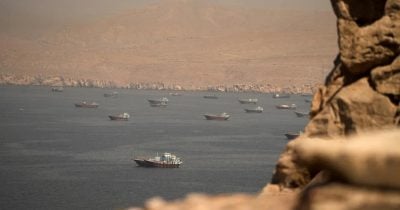
The US Navy maintained a presence in the region throughout the war and the ceasefire. But Iranian tankers, often with opaque ownership and switched-off transponders, kept loading at Iranian terminals. Chinese refineries, hungry for discounted crude, provided a steady market. The combination of a willing buyer and a fleet that could evade detection made the blockade porous.
The scale of the sales
The $18 billion figure covers the entire period from the outbreak of war through the ceasefire. That is a significant sum for a country under heavy sanctions, and it suggests that the blockade, while disruptive, did not cut off Iran's oil revenue entirely. The sales helped Tehran finance its war effort and maintain economic stability during a volatile time.
Sanctions enforcement limits
The episode exposes the limits of unilateral sanctions when a major buyer like China is involved. The US can pressure shipping companies and insurers, but shadow fleets—often using aging tankers registered in obscure jurisdictions—are hard to track. The Treasury Department has blacklisted dozens of vessels and entities, but new ones appear quickly. The lesson from 2026 is that sanctions alone cannot stop oil flows if the geopolitical will to enforce them is not matched by practical tools.
The US Treasury is expected to announce additional sanctions on shadow fleet operators in the coming weeks, but the core question remains: can any enforcement regime keep up with a network that adapts faster than regulators can act?