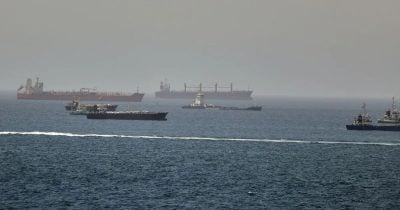
Iran has locked in its position on the Strait of Hormuz as tensions with the United States escalate over a potential blockade. The move raises the risk of prolonged economic instability and threatens to rattle global oil markets that depend on the narrow waterway.
The Strategic Waterway at the Center of Tensions
The Strait of Hormuz connects the Persian Gulf to the Gulf of Oman. Roughly a fifth of the world’s oil passes through it daily. A blockade — even the threat of one — can send crude prices spiking. Iran has long used control of the strait as leverage in confrontations with Washington.
This time, the stakes feel higher. The US has made clear it views any attempt to block the strait as a red line. Iran’s solidified stance suggests it's prepared to test that line, though no actual blockade has been declared. The standoff is playing out against a backdrop of already fragile global energy markets.
Why the Stance Shifted Now
Iran’s position hardened after weeks of diplomatic back-and-forth with the US. The facts don't specify the exact trigger, but the timing coincides with renewed American pressure over Iran's nuclear program and regional activities. Tehran appears to be signaling that it won't back down easily on the strait issue.
The potential economic fallout isn't hard to see. Any disruption could push oil prices higher, hurting consumers worldwide and straining economies already dealing with inflation. For Iran, a blockade would also cut off its own oil exports, a heavy price. But the regime may calculate that the leverage is worth the cost.
What Comes Next
No specific deadlines or diplomatic meetings have been announced. The situation leaves global oil markets on edge, with traders watching for any sign of escalation. The Strait of Hormuz remains a flashpoint, and any disruption would ripple through the global economy.