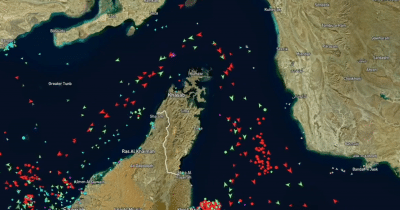
Iran closed the Strait of Hormuz again this week amid ongoing Israeli attacks in Lebanon, sending oil prices sharply higher and amplifying fears of a prolonged supply disruption. The move has renewed interest in cryptocurrency as a hedge against geopolitical and economic uncertainty, with traders rotating into Bitcoin and other digital assets.
Oil spike and supply chain jitters
The Strait of Hormuz is a critical chokepoint for global oil shipments. Its closure this week disrupted supply chains almost immediately, and crude prices spiked in response. The timing isn't great — markets were already skittish about inflation and central bank policy. Now they've got a physical supply shock on top of everything else.
Escalating Middle East tensions
Iran's decision comes as Israeli strikes in Lebanon intensify. The region has been on edge for weeks, and this closure widens the conflict's economic ripple effects. Neither side shows signs of backing down, which means the strait could stay shut for a while. Each passing day tightens the squeeze on oil-dependent economies.
Crypto flight
Investors are treating this as a classic flight-to-safety event — but not into traditional havens. Instead, demand for cryptocurrency has picked up. People see Bitcoin as a borderless store of value when nation-state risks flare. It's not a huge rally, but volume is up on major exchanges, particularly from traders in the Middle East and Asia who are closest to the uncertainty.
Uncertainty ahead
The Strait's reopening timeline remains unclear. Diplomats are quiet, and military activity hasn't paused. For crypto holders, that means one thing: the hedge trade stays on until there's a clear de-escalation. No one is calling a bottom or a top right now — just watching the oil tankers idle.