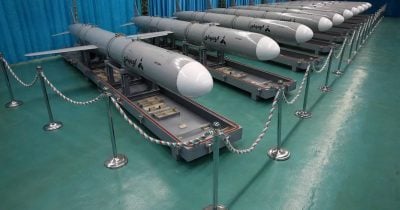
Iran launched missile and drone strikes on Jordanian bases early this week, killing two US troops and wounding several others. The attack, which targeted facilities used by American forces, marks a significant escalation in regional hostilities. Israel had previously warned Jordan about the potential for the conflict to spill over its borders.
The Attack and Immediate Aftermath
The strikes hit multiple locations inside Jordan, including a logistics hub and a training camp. The two US service members died when a drone struck their position. The Pentagon confirmed the casualties but did not immediately release the names of the dead, pending notification of next of kin. Jordanian officials said their air defenses intercepted several incoming projectiles, but some got through.
US Central Command said the attack bore the hallmarks of previous Iranian-backed operations. The White House condemned the strikes and promised a response. President Biden was briefed by his national security team and said the US would hold those responsible accountable.
Israel's Warning to Jordan
Days before the attack, Israeli intelligence officials warned their Jordanian counterparts that Iran might attempt to strike targets inside the kingdom. The warning came as part of broader Israeli concerns that the war in Gaza could ignite a wider regional conflict. Jordan, which shares a long border with Israel and hosts US troops, has tried to stay neutral but has been drawn into the tensions.
Jordanian officials acknowledged receiving the warning but said they had taken measures to protect their bases. The attack still managed to breach those defenses, raising questions about the effectiveness of the precautions.
Global Security Implications
The strikes have major implications for global security. They represent the first time Iran has directly attacked a US ally's territory with such force, killing American personnel. Analysts say this could trigger a broader confrontation between the US and Iran, potentially drawing in other regional powers. The attack also underscores the fragility of the region, where multiple conflicts—Gaza, Yemen, Syria—are already simmering.
The US has reinforced its military presence in the Middle East in recent months, but this attack shows that deterrence has limits. The Biden administration now faces a difficult choice: retaliate against Iran and risk a wider war, or show restraint and appear weak. Either option carries significant risks.
For now, the situation remains fluid. The US is expected to announce its response in the coming days. Meanwhile, Jordan has tightened security along its borders and called for an emergency meeting of Arab foreign ministers. The world watches closely.