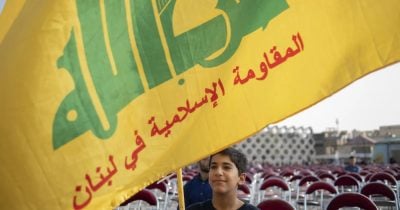
Iran launched a military strike on a US air base in Kuwait this morning, rattling global financial markets and sending cryptocurrency prices lower. President Trump dismissed a Hormuz deal amidst the escalation, further stoking uncertainty. The attack marks a sharp turn in US-Iran tensions and threatens to destabilize an already fragile global economy.
Markets react to the strike
Cryptocurrency markets were caught in the broader risk-off move. Bitcoin dropped alongside equities and oil as traders rushed for safety. The strike on the US base in Kuwait is the first direct military action against American forces on allied soil in years, and the market response was immediate. The timing is especially rough — just as crypto was trying to build a recovery from its May slump.
Oil prices and the Hormuz factor
Oil prices are expected to rise as the conflict threatens supply routes through the Strait of Hormuz. Trump’s dismissal of a potential Hormuz deal removes a key diplomatic off-ramp, leaving markets to price in a prolonged standoff. For crypto, higher oil prices often mean tighter global liquidity and higher inflation expectations — two forces that historically pull capital away from volatile assets.
What happens next
The immediate question is whether Iran will follow up with more strikes or if this was a calibrated message before any broader escalation. US Central Command has not yet released a full damage assessment, and Trump has not made a public statement beyond rejecting the Hormuz deal. Crypto traders are watching the same headlines as everyone else: any sign of de-escalation could trigger a relief rally, but another exchange of fire would likely deepen the sell-off.