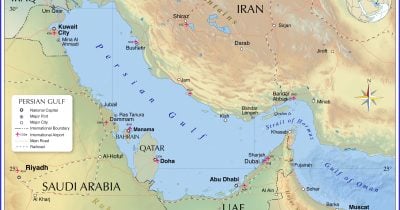
Escalating tensions between Iran and its neighbors are now directly threatening key oil export routes used by Saudi Arabia. The potential for disruption has rattled global energy markets, with analysts warning that any sustained blockage could send crude prices sharply higher and destabilize economies already struggling with inflation.
Strait of Hormuz in Focus
The narrow waterway between the Persian Gulf and the Gulf of Oman is a chokepoint for about one-fifth of the world's oil supply. Saudi Arabia, the world's largest crude exporter, relies heavily on this route to ship its oil to Asia and beyond. Iran has previously threatened to close the strait in response to military or economic pressure, and the current conflict raises the stakes. While no direct blockade has been reported, shipping companies are already factoring in higher insurance premiums and longer transit times.
Oil Markets on Edge
Brent crude futures have climbed in recent days as traders price in the risk of supply cuts. The market is particularly sensitive because spare production capacity is limited. Saudi Arabia holds most of that spare capacity, but if its own export routes are compromised, it cannot easily compensate. The International Energy Agency has not yet announced an emergency stockpile release, but the option remains on the table if physical supplies are interrupted.
Economic Ripples
Higher oil prices would hit importing nations hardest. Countries in Europe and Asia, already dealing with elevated energy costs, could see their recovery slow. For developing economies, a sustained price spike risks triggering balance-of-payments crises and social unrest. The U.S. has urged restraint on all sides, but diplomatic channels appear strained. The question now is whether the conflict can be contained before it reaches the tanker lanes that keep global markets supplied.