Rising tensions with Iran are pushing the Strait of Hormuz back into the spotlight as a potential flashpoint for global energy supplies. Any blockade of the narrow waterway — through which roughly a fifth of the world's oil passes — would immediately threaten energy security and send shockwaves through markets already skittish over supply constraints.
Why the Strait Matters
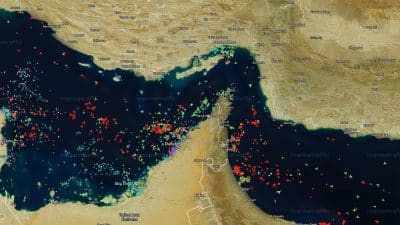
The Strait of Hormuz connects the Persian Gulf to the open ocean. Tankers carrying crude from Saudi Arabia, Iraq, the UAE, Kuwait, and Iran itself must transit this 33-kilometer-wide channel. A blockade would effectively cut off a huge chunk of the world's daily oil output. Past incidents, even brief disruptions, have caused price spikes within hours. This time the context is different: Iran's rhetoric has grown sharper, and military posturing in the region has stepped up in recent days. The risk isn't hypothetical anymore.
Market Volatility Ahead
Traders are already pricing in the possibility of supply interruptions. Oil futures have climbed, and analysts inside the industry expect further jumps if the situation doesn't de-escalate. The impact won't be limited to crude. Refined products, natural gas, and shipping costs all feel the pressure when a chokepoint like Hormuz becomes unstable. The uncertainty alone is enough to make supply chains nervous and push buyers toward alternative suppliers — options that are limited and more expensive.
Strategic Shifts Underway
Governments are scrambling to adjust. Import-reliant nations are reviewing emergency stockpiles. Some are quietly reaching out to other producers to secure alternative supply routes. The U.S., which has its own strategic petroleum reserve, has signaled readiness to release barrels if needed. But no one is saying the situation is under control. The Strait of Hormuz isn't just a shipping lane; it's a lever of geopolitical power, and Iran knows it. The question now is how far each side is willing to push before the blockade becomes a reality — or before diplomacy pulls everyone back from the brink.
What Happens Next
No diplomatic breakthrough has been announced. The United Nations has called for restraint, but no formal talks are set. Tanker insurance rates are already rising, and some ship operators are rerouting away from the region. For now, the world watches the Strait — and waits to see if the threats turn into action.