Iran has announced plans to establish an exclusion zone in the Gulf and is threatening the United States with missile escalation if its demands are not met. The move, disclosed in recent statements from Tehran, could upend regional security and disrupt global shipping lanes that carry a large share of the world's oil.
What Iran is proposing
According to the facts, Iran intends to declare a Gulf exclusion zone, a maritime area where foreign vessels would be barred or restricted. The plan is paired with a direct threat: if the US does not comply, Iran says it will respond with missile strikes. The exact boundaries of the proposed zone and the timeline for implementation have not been specified, but the announcement alone has raised alarms across the region.
Why the threat matters
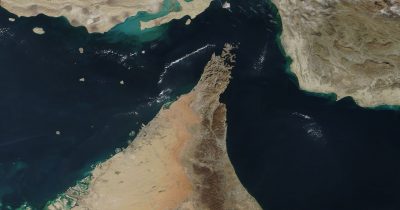
The Gulf is a critical chokepoint for global energy supplies. Roughly a fifth of the world's oil passes through the Strait of Hormuz, which sits at the mouth of the Gulf. An exclusion zone would effectively put that traffic at risk, potentially driving up shipping costs and insurance premiums. Even a credible threat of missile attacks could force carriers to reroute or halt operations, sending ripples through energy markets worldwide.
Beyond economics, the move threatens to destabilize an already fragile security environment. The Gulf is home to US naval bases and allied forces, and any attempt to enforce an exclusion zone would likely draw a military response. That could escalate into a broader conflict, with consequences no one can fully predict.
Diplomatic fallout
The announcement also complicates any path toward US-Iran diplomatic resolution. Talks over Iran's nuclear program and regional behavior have been stalled for years, and this new threat makes a negotiated settlement even less likely. The facts indicate that the plan may reduce prospects for such resolutions, as Washington would find it hard to sit down with a government that is openly threatening its forces and international shipping.
Iran's leadership appears to be betting that the threat will force the US to back down or make concessions. But the US has historically responded to such provocations with increased military presence, not retreat. The standoff is now at a point where a single miscalculation could trigger a crisis.
What happens next
No date has been set for the exclusion zone to take effect, and it is unclear whether Iran will follow through or use the threat as leverage. The US has not yet issued an official response, but its naval commanders in the region are likely reviewing contingency plans. The next few weeks will show whether Iran's move is a bluff or a prelude to action.