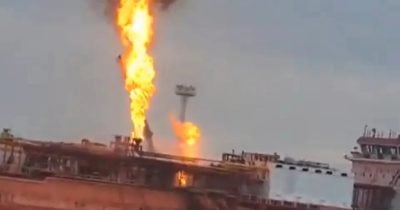
Iran has threatened to expand its blockade of key waterways, escalating tensions with the United States after President Donald Trump renewed sanctions against Tehran. The move raises the risk of prolonged disruptions to global oil supply and trade, with markets skeptical that a swift resolution is possible.
Why the Blockade Threat Matters
Iran's latest warning signals a willingness to target strategic chokepoints for oil shipments. The Strait of Hormuz, a narrow passage through which about a fifth of the world's petroleum passes, has been a flashpoint in past confrontations. Any sustained blockade there could send crude prices soaring and strain supply chains that rely on just-in-time deliveries. The threat comes as global oil inventories are already tight, leaving little buffer for unexpected outages.
Trump's Renewed Pressure on Tehran
The Trump administration has reimposed a series of sanctions aimed at crippling Iran's oil exports and its ability to fund regional proxies. The renewed blockade is part of a broader strategy to isolate Iran economically and force concessions on its nuclear program and support for militant groups. But critics warn that the approach risks triggering a broader conflict, especially if Iran follows through on its threats to disrupt shipping in the Persian Gulf and beyond.
Market Skepticism About a Quick Resolution
Traders and analysts are betting that the standoff will not be resolved quickly. The pattern of escalation — a round of sanctions, then a retaliatory threat, then a military response — has become familiar over the past year. Each cycle has left the region more volatile and the global economy more exposed. With no direct talks between the U.S. and Iran on the horizon, the risk of miscalculation remains high. Shipping companies are already rerouting vessels and raising insurance premiums, adding costs that will eventually be passed on to consumers.
The next step is uncertain. Iran has not specified which waterways it might target next, and the Trump administration has not detailed how it would respond to a new blockade. Both sides appear dug in, and the window for de-escalation is narrowing.