Iran has threatened to block the Strait of Hormuz, a critical chokepoint for global oil shipments, unless its frozen assets are released. The warning, issued by Iranian officials, ties the move directly to unresolved payments for assets held abroad under international sanctions.
The Strait's strategic role
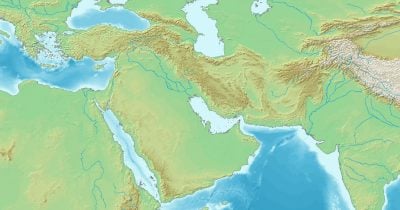
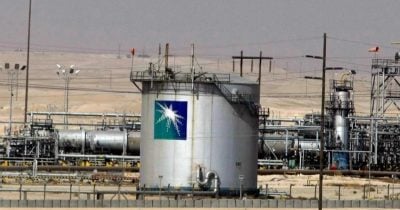
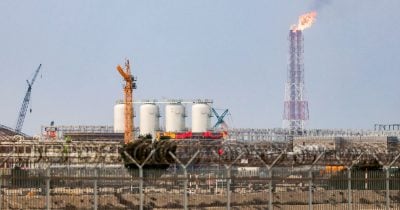
The Strait of Hormuz connects the Persian Gulf with the Gulf of Oman and the open sea. Roughly 20% of the world's oil passes through its narrow waters each day. Any disruption would send shockwaves through energy markets, driving up prices and threatening supply chains that rely on crude from Saudi Arabia, Iraq, the UAE, Kuwait, and Iran itself.
Iran has made similar threats in the past, often during periods of heightened tension with the West. But this time the trigger is specific: frozen asset payments. The country claims that billions of dollars in oil revenue are being withheld by foreign banks and governments, violating previous agreements.
What's behind the frozen assets
Since the U.S. withdrew from the nuclear deal in 2018 and reimposed sanctions, Iran has struggled to repatriate funds from oil sales. Some money sits in escrow accounts in countries like South Korea and Iraq, awaiting clearance for humanitarian purchases. Tehran says those funds are effectively blocked, and it wants them unfrozen as a first step toward easing economic pressure.
The threat to close the Strait is not new, but the linkage to asset payments gives it a different edge. It turns a military risk into a bargaining chip in financial negotiations. Iranian officials have not specified a deadline or detailed how they would enforce a blockade, but the mere suggestion has already drawn international attention.
Global reaction and risks
The U.S. Navy's Fifth Fleet, based in Bahrain, patrols the region and has vowed to keep the strait open. Any Iranian attempt to block it would likely be met with a military response. But the economic damage could be immediate: insurance rates for tankers would spike, and oil prices would jump.
For now, the threat remains a threat. But with Iran's economy under severe strain and diplomatic talks stalled, the country may see few other options to force concessions. The coming weeks will show whether this is a negotiating tactic or a prelude to action.
No official response has been issued yet from the U.S. or European capitals. But behind closed doors, diplomats are likely scrambling to assess whether the threat is credible and what it would take to defuse it.