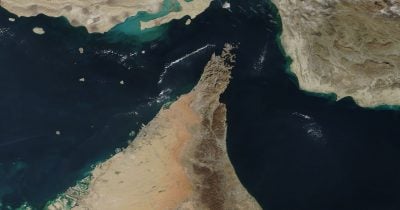
Iran has moved to reassert control over the Strait of Hormuz, a chokepoint for roughly a fifth of the world's oil. The move threatens to push regional tensions higher and could rattle global energy markets already on edge.
What Iran did
Iranian naval forces have stepped up patrols and inspections in the narrow waterway, effectively tightening their grip on a passage that connects the Persian Gulf to the open ocean. The strait is only 33 kilometers wide at its narrowest point, and Iran has long used its position there as leverage. This latest action appears to be a deliberate show of force — a signal that Tehran intends to control who passes and what cargo moves through.
The exact timing of the deployment isn't clear, but shipping sources report increased Iranian vessel activity in recent days. The government in Tehran has not issued a formal statement, though the pattern is familiar: Iran periodically flexes its muscles in the strait when it feels pressure from the West.
Why oil markets are watching
About 17 million barrels of crude pass through the Strait of Hormuz every day. That's roughly 20% of global consumption. Even a brief disruption could send prices shooting up. In 2019, a string of tanker attacks near the strait pushed Brent crude above $70 a barrel. The current global oil market is already tight because of production cuts by OPEC and Russia.
Traders are now pricing in a risk premium. Analysts at major banks have started running scenarios: a full closure would be catastrophic; a partial shutdown could still squeeze supplies for weeks. But traders don't control the strait. Iran does.
Maritime security on edge
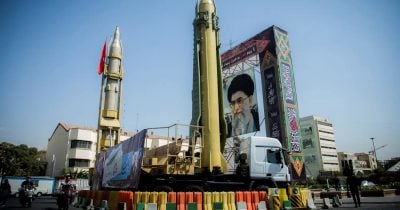
Naval commanders from the United States and its allies have long patrolled the area to keep shipping lanes open. The U.S. Navy's Fifth Fleet is based in Bahrain, just a few hundred kilometers from the strait. But Iran has invested heavily in fast attack craft, mines, and anti-ship missiles designed to overwhelm a larger fleet in confined waters.
Commercial ships now face the prospect of longer detours around the Arabian Peninsula if insurers refuse to cover vessels transiting the strait. Some shipping lines have already paused bookings for the route, waiting to see whether the situation escalates further.
What comes next
The international community has few easy options. Diplomacy has stalled over Iran's nuclear program and its support for proxy forces across the Middle East. Sanctions haven't changed Tehran's calculus. A military response could quickly spiral into a broader conflict.
For now, the question is whether Iran's move is a short-term bargaining chip or the start of a longer squeeze. Oil buyers and naval planners are watching the same narrow stretch of water, hoping for the former but preparing for the latter.