Iran has stepped up its control over the Strait of Hormuz, a narrow waterway that carries about a fifth of the world's oil supply. The move is already slowing shipping traffic and raising fears that global energy markets could face serious disruption. Tensions in the region are climbing fast, with no sign of a diplomatic off-ramp.
What's changing at the strait
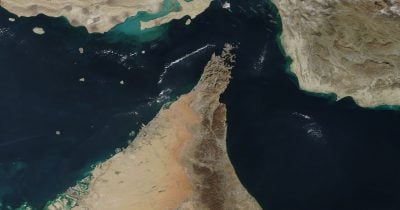
The strait connects the Persian Gulf to the Gulf of Oman and is a critical chokepoint for crude tankers and cargo vessels. Iran's recent actions include more frequent inspections, slower clearance procedures, and increased naval patrols. Ships report longer waits to pass through, which pushes up costs for shippers and insurers. The Iranian government hasn't announced any formal blockade, but the effect is similar: traffic is thinning and some vessels are rerouting.
Energy markets on edge
Oil prices have already shown signs of volatility as traders price in the risk of a supply cut. The strait is the only sea route for oil and gas exports from Saudi Arabia, Iraq, Kuwait, the UAE, and Qatar. If tensions escalate further, analysts warn that global crude supply could tighten quickly. That would hit economies already dealing with inflation and slow growth. Natural gas shipments are also at risk, especially for Asian buyers who depend on LNG from Qatar.
Geopolitical fallout
The tightening comes amid broader regional frictions. Iran's move is seen as a response to renewed sanctions pressure and diplomatic isolation. The U.S. and its allies have condemned the actions, but have not yet announced a coordinated response. The situation threatens to widen into a broader confrontation, with ripple effects for shipping lanes beyond the Gulf. Other countries, including China and India, rely heavily on the strait for energy imports and are watching closely.
No one knows how far Iran will push. For now, the pressure is incremental — but each new restriction adds to the strain on global trade. The next few weeks will test whether diplomatic channels can hold or whether the strait becomes a flashpoint for a wider crisis.