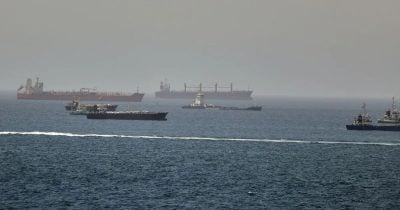
Iran has extended its military and operational control over the Strait of Hormuz, the narrow passage through which roughly a fifth of the world's oil passes each day. The move escalates long-standing tensions in the region and raises the prospect of disruptions that could rattle global energy markets.
What the Strait Means for Global Oil Flows
The Strait of Hormuz connects the Persian Gulf with the Gulf of Oman and the open ocean. Tankers carrying crude from Saudi Arabia, Iraq, Kuwait, the UAE, and Iran itself must navigate this 21-mile-wide channel. Any closure or significant interference would choke supply lines and send oil prices climbing.
Iran's expanded presence there now gives it greater ability to monitor, inspect, or potentially block shipping — a threat that has loomed for years but now appears more concrete.
Regional Tensions on the Rise
The expansion comes at a time of already high friction between Iran and its neighbors, as well as with the United States and its allies. No single incident triggered this particular move; rather, it appears to be a gradual assertion of control that analysts have watched for months.
Countries that rely on the strait — including Oman, which shares its southern shore — are now recalibrating their security postures. The U.S. Navy's Fifth Fleet, based in Bahrain, routinely patrols the area, but Iran's new positions could complicate those operations.
Potential Fallout for Energy Markets
While no oil tanker has been stopped yet, traders are already pricing in a risk premium. If Iran were to disrupt traffic, the effects would be immediate: shipping insurance rates would spike, alternative routes would lengthen voyages, and countries that hold strategic petroleum reserves might start drawing them down.
The strait handles roughly 17 million barrels per day, according to U.S. Energy Information Administration data — a figure that underscores how quickly a closure could cascade through the global economy.
Iran has not issued any formal threat to close the waterway. But its expanded control gives it the option, and that ambiguity is what markets fear most.
What Happens Next
Diplomatic channels remain open, but no talks have been scheduled to address the strait specifically. In the coming weeks, shipping companies and insurers will decide whether to adjust routes or premiums. The next major indicator to watch is whether any tanker is delayed or rerouted — a move that would confirm the shift from posturing to action.