Iran has tightened its grip over the Strait of Hormuz, a narrow waterway that carries roughly a fifth of the world's oil. The move is already slowing shipping traffic and pushing geopolitical tensions higher, with analysts warning that the standoff could disrupt global crude supplies and draw military responses.
Impact on shipping traffic
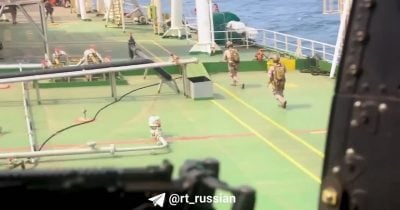
Vessel tracking data shows that tankers and cargo ships are experiencing longer transit times through the strait. Iranian patrol boats are conducting more frequent inspections and, according to maritime security firms, have stopped several commercial vessels for questioning. Some shipping companies have started rerouting around the Arabian Sea, adding days to voyages and raising freight costs. The Iranian government has not officially announced a blockade, but the practical effect is a tightening of control that slows the flow of oil and goods.
Global oil supply concerns
The Strait of Hormuz is a choke point for crude from Saudi Arabia, Iraq, the United Arab Emirates, Kuwait, and Iran itself. Any sustained disruption could push oil prices higher. Benchmark Brent crude has already edged up this week. Energy analysts say the market is pricing in a risk premium, though actual supplies have not yet been cut. The International Energy Agency has not commented, but member countries hold strategic reserves that could be tapped if the strait were effectively closed.
Potential for military escalation
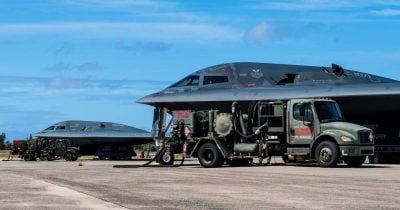
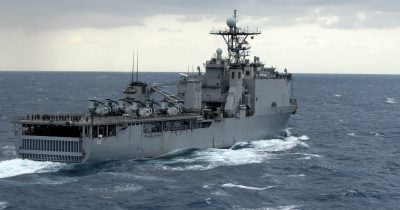
The United States Navy's Fifth Fleet, based in Bahrain, regularly patrols the region. U.S. Central Command has increased aerial surveillance over the strait in recent days. No direct confrontations have been reported, but the situation is volatile. A single miscalculation — a collision, a warning shot, a cyberattack on navigation systems — could escalate quickly. Iran's leadership has framed the move as a response to what it calls hostile foreign presence in the Gulf. Other Gulf states are watching nervously, caught between their security alliances and the risk of being drawn into a conflict.
The immediate question is how the U.S. and its allies will respond. Diplomatic channels remain open, but no formal statement has been issued. The next 48 hours could determine whether the strait stays open or becomes a flashpoint.