Iran is preparing to collect voluntary payments from vessels transiting the Strait of Hormuz, under an arrangement with Oman. The plan could shift regional economic dynamics and add a new layer of complexity for global shipping through one of the world's most critical chokepoints.
How the payment scheme would work
Under the reported deal with Oman, Iran would accept what it calls “voluntary” contributions from ships passing through the strait. The payments are not mandatory, but the arrangement gives Tehran a formal channel to collect revenue from the waterway. Oman's role in facilitating the scheme is not yet fully detailed, but the two countries have maintained diplomatic and economic ties despite regional tensions.
Regional stability at stake
The payment system could alter the balance of power in the Persian Gulf. Iran already exerts influence in the strait, and a formalized payment mechanism might be seen as a step toward asserting greater control. Neighboring states and global powers are likely to watch closely, as any shift in the status quo could affect energy markets and security arrangements.
Global shipping routes under pressure
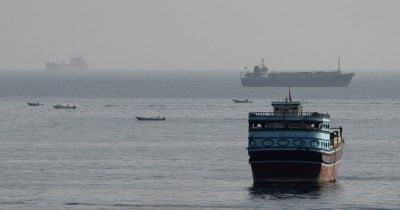
The Strait of Hormuz handles about a fifth of the world's oil supply. Even a voluntary payment scheme could raise costs for shipping companies, which may pass them on to consumers. Some firms might consider alternative routes, though none offer the same efficiency. The scheme's impact on insurance premiums and transit times is unclear, but the uncertainty alone could ripple through supply chains.
No timeline has been announced for when the payment collection would begin. The response from major shipping nations and international maritime bodies remains an open question.