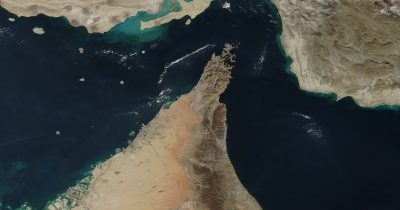
What Tehran said
Rezaei, who serves as Iran's security chief, said the restricted zone would be announced outside the Strait of Hormuz. He didn't say when it would take effect or what it would entail. That vagueness matters. Iran has used the strait as leverage before, and the gap between threat and action has historically been wide.
📊 Market Data Snapshot
Markets tend to price the worst case first. Oil futures are the tell. If crude spikes, expect risk assets — crypto included — to feel the pressure.
The oil-to-Bitcoin pipeline
The obvious read is macro: geopolitical tension pushes investors toward safety, and Bitcoin trades like a risk asset in the short term. That's true, but it's only half the story.
The other half runs through the mining industry. A meaningful share of Bitcoin's hash rate runs on energy tied to oil and natural gas — often stranded gas that would otherwise be flared. When oil prices spike, the cost of that energy rises. Miners' margins shrink. And when margins shrink, miners sell coins to cover operating costs.
That's a direct, second-order effect that most coverage of the Hormuz story will miss. The headline will be about risk-off sentiment. The actual selling pressure could come from the cost side of the network.
A history of leverage
Iran has a long track record of using the Strait of Hormuz as a negotiating chip. Threats have