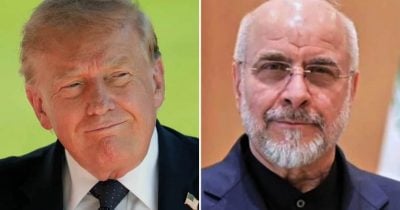
Iran is set to resume oil sales after signing a deal with the United States this week, a move that could calm global energy markets and reduce tensions that have simmered for years. The agreement, announced without a formal press conference, marks the first major diplomatic breakthrough between the two countries in over a decade.
What the Deal Covers
The deal allows Iran to export crude oil to international buyers, lifting sanctions that had choked off a significant portion of its export capacity. In return, Tehran has agreed to cap its enrichment of uranium at levels that fall short of weapons-grade. Neither side has released the full text of the agreement, but officials from both governments confirmed the basic terms.
Iran’s oil ministry said it would immediately begin contacting potential buyers in Asia and Europe. The country’s storage tanks hold an estimated 50 million barrels of crude that could hit the market within weeks. Analysts tracking tanker data expect the first shipments to sail within days.
Market Reaction and Risks
Brent crude futures dropped 3% on the news, settling near $72 a barrel. Traders said the potential addition of roughly 1 million barrels per day from Iran could ease supply concerns that had pushed prices higher earlier this year. A stable Iran in the oil market also reduces the risk of supply disruptions from the Strait of Hormuz, a narrow waterway that carries about a fifth of the world’s petroleum.
But the deal’s impact on prices may be short-lived if compliance falters. The agreement includes no independent monitoring mechanism, raising questions about how either side will verify the other is keeping its word. Past deals with Iran have collapsed when one side accused the other of cheating.
Compliance Challenges
The biggest test will come in the first 90 days, when Iran must ship its first oil and simultaneously reduce its stockpile of enriched uranium. International inspectors from the International Atomic Energy Agency have not been granted access to Iran’s nuclear facilities under this deal. Instead, the US will rely on satellite imagery and intelligence reports to track Iran’s compliance.
Iran’s leadership has publicly insisted that it will not allow inspectors into military sites. That refusal has already drawn criticism from some members of Congress, who say the deal lacks verification teeth. Republican Senator Tom Cotton called it a “blind handshake” in a statement Thursday.
On the oil side, shipping and insurance companies will need to confirm that the US Treasury will not penalize them for handling Iranian crude. Treasury officials said they are preparing guidance but have not yet published it. Without that clarity, buyers may hesitate.
For now, the market is betting the deal holds. But the unresolved question remains: what happens if one side decides the other is cheating, and there’s no one in the room to say otherwise?