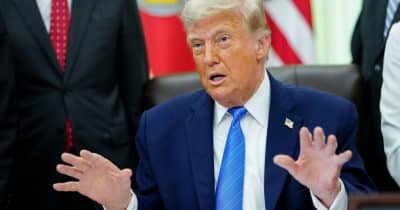
Iran and the United States secured a historic deal this week, an agreement expected to stabilize oil markets and reduce the risk of regional conflict. For the crypto industry, the deal lands squarely on the sanctions map — potentially shifting how authorities enforce restrictions on Iranian-linked transactions and how exchanges handle compliance.
Why the deal matters for crypto
Iran has been under heavy US sanctions for years, and crypto has often been cited as a potential workaround. The new agreement could lead to a recalibration of those sanctions, possibly easing some restrictions in exchange for Iranian commitments. That would directly affect the landscape for crypto firms: fewer blacklisted addresses, a narrower scope of prohibited activity, and new guidance from the Treasury's Office of Foreign Assets Control (OFAC).
The precise terms are still filtering out, but the direction is clear. If sanctions are relaxed, exchanges that previously blocked all Iranian IPs or flagged any transaction touching Iran may need to update their screening filters. Compliance teams should watch for OFAC advisories in the coming weeks.
Concerns over Iran's influence
Not everyone is cheering. Critics argue the deal could increase Iran's influence in the region, and that has indirect consequences for crypto. A more assertive Iran might mean more state-sponsored crypto activity, including mining operations that have historically used subsidized energy. Some regional exchanges are already bracing for a potential uptick in Iranian-linked volume, which could complicate anti-money laundering efforts.
Turkey, the UAE, and other Middle Eastern crypto hubs are likely to be the first affected. If Iran gains more political breathing room, its miners and traders could re-enter markets that had previously locked them out.
What crypto firms should watch
For now, the immediate task for compliance officers is tracking the official sanctions list. OFAC has historically moved quickly after major diplomatic shifts — expect updates to the Specially Designated Nationals (SDN) list within days. Some Iranian entities may be delisted; others may stay on. The key is not to jump ahead: until the Treasury speaks, the old rules still apply.
Exchanges also need to watch for secondary sanctions risks. Even if direct US restrictions ease, doing business with Iran could still trigger red flags for partners in the EU or Asia. The deal's fine print on financial flows will matter more than the headline.
This month's breakthrough doesn't erase the past five years of sanctions enforcement. But it does open a door — and crypto firms need to decide whether to walk through it or wait for clearer signs from Washington.
OFAC is expected to issue a formal advisory within two weeks. Until then, the safest play is to keep existing compliance protocols in place and watch for the list changes that will define the new normal.