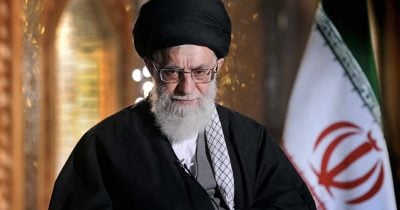
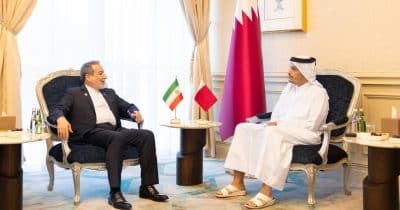
Iran is hailing major progress in US-Iran talks this week, with the two sides agreeing to create a de-confliction cell aimed at ending the war in Lebanon. The mechanism, designed to prevent military clashes and coordinate de-escalation, could ripple beyond geopolitics: analysts within the intelligence community suggest it may also reshape crypto liquidity as regional stability improves and oil markets adjust.
What the de-confliction cell does
The cell is a joint military coordination body that allows Iranian and US forces to communicate directly during operations in Lebanon. Its creation marks the first tangible outcome of the latest round of talks, which had stalled for months. By reducing the risk of accidental engagement, the cell could lower the temperature of a conflict that has drawn in Hezbollah, Israel, and other regional actors. Iran's foreign ministry described the agreement as a “significant step forward” in a statement released Sunday.
Why crypto traders are watching
Regional de-escalation typically pulls capital out of safe havens and into riskier assets, including cryptocurrencies. But the link here is more direct. The de-confliction cell could ease pressure on global oil markets — Lebanon sits near key shipping lanes, and the war had intermittently disrupted tanker traffic. Cheaper or more predictable oil tends to strengthen fiat currencies tied to energy imports, which in turn affects stablecoin demand and the flow of liquidity into and out of Middle Eastern crypto exchanges. The exact mechanism isn't clear yet, but the fact that intelligence analysis flagged “crypto liquidity” as a potential reshuffling factor means traders are already repositioning.
Not a done deal
For all the optimism, the de-confliction cell is only a procedural fix. It doesn't address the underlying political grievances that sparked the Lebanon war in the first place. And the talks themselves remain fragile — previous rounds collapsed over disagreements on prisoner exchanges and nuclear enrichment. The next scheduled meeting is set for July 10 in Geneva. Until then, the cell's effectiveness will be tested on the ground.
For crypto markets, the watchword is caution. A single skirmish could undo the progress, sending liquidity scrambling back into Bitcoin and stablecoins. But if the cell holds and the talks keep moving, the next few weeks could see capital rotate into regional altcoins and DeFi protocols tied to Middle Eastern users.