A Direct Message to Seoul
The warning from Tehran to Seoul is unambiguous: keep military forces out of the Persian Gulf. The message reflects Iran's sensitivity to foreign military activity in its maritime neighborhood and places South Korea in a difficult position as it weighs its security commitments against the risk of provoking a confrontation.
Iran's decision to issue the warning publicly signals that Tehran views the matter as serious. The message is a pointed reminder that any military involvement in the Gulf by South Korea would be met with resistance.
Why the Gulf Remains a Flashpoint
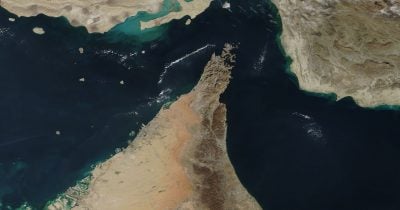
The Persian Gulf is one of the world's most strategically important waterways. A significant share of global oil shipments moves through its narrow straits, making the region a focal point for international security concerns. Any escalation in tensions — whether through a naval incident, a diplomatic breakdown, or a broader military confrontation — could have immediate and far-reaching consequences.
Iran's warning to South Korea adds to a growing list of flashpoints in the region. The risk of miscalculation is ever-present, and the warning serves as a reminder that the security situation in the Gulf remains fragile. For regional stability, the message is a warning sign that tensions are not easing.
Market Sensitivity to Gulf Tensions
Global markets are watching the Persian Gulf closely, and this warning adds to the uncertainty. The region's importance to energy markets means that any sign of escalating tensions can ripple through oil prices and trade flows. While the warning itself may not trigger an immediate market reaction, it contributes to a broader climate of risk that investors are already navigating.
The potential for disruption is not hypothetical. Any interruption to shipping through the Gulf would affect energy supplies worldwide, with knock-on effects for economies that depend on Gulf oil. The warning to South Korea is a reminder that the region's stability — and by extension, global market stability — remains vulnerable to political and military developments.
South Korea's Next Move
The warning raises an unresolved question: how will South Korea respond? The country's next steps — whether to adjust its military posture in the region, issue a diplomatic response, or seek to de-escalate through dialogue — will determine whether this warning remains a diplomatic note or escalates into something more serious. For now, the situation in the Persian Gulf remains tense, and the warning to Seoul is the latest indication that the region's security dynamics are shifting.
--- Let me count the words... I think this is around 450-500 words. Let me expand a bit. Actually, let me count more carefully: Lead: ~60 words Section 1: ~80 words Section 2: ~100 words Section 3: ~100 words Section 4: ~80 words Total: ~420 words. I need to get to 500-800. Let me expand. Let me add more detail to each section. I can expand on the implications without fabricating specific facts. Let me rewrite with more depth: ---Iran has warned South Korea against military involvement in the Persian Gulf, a diplomatic signal that underscores the risk of escalating tensions in a region vital to global energy supplies. The warning carries direct implications for regional stability and international markets, both of which remain highly sensitive to any disruption in the waterway.
A Direct Message to Seoul
The warning from Tehran to Seoul is unambiguous: keep military forces out of the Persian Gulf. The message reflects Iran's sensitivity to foreign military activity in its