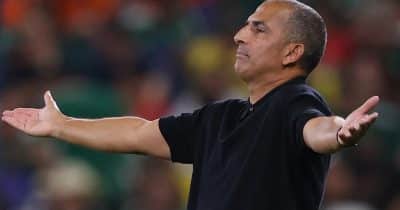
Iran’s World Cup match in Los Angeles turned into a flashpoint for protests this week, underscoring the deep rifts within the Iranian diaspora. Hundreds of demonstrators gathered outside the stadium, some waving Iranian flags, others holding signs critical of the Tehran regime. The scene reflected the broader geopolitical tensions that have spilled onto the pitch.
Protests outside the stadium
The match itself went ahead under tight security. But the real action was on the streets. Chants of “Woman, Life, Freedom” mingled with cheers for the team. Some fans inside the venue held up banners linking the game to Iran’s political struggles. Police kept the two sides separated, but the air was charged.
“This isn’t about soccer,” one protester shouted, according to witnesses. The demonstration was organized by groups who oppose the Iranian government, while others insisted the game should stay free of politics. The result was a tense standoff that lasted for hours after the final whistle.
A divided diaspora on display
The event laid bare the fractured nature of the Iranian community in Southern California. For years, Los Angeles has been home to one of the largest populations of Iranians outside the country, a mix of those who fled after the 1979 revolution and newer arrivals. But the World Cup, often a unifying moment for nations, highlighted the fault lines.
Supporters of the team said the players were representing Iran, not the government. Critics argued that appearing under the Islamic Republic’s flag meant endorsing its repression. The debate played out not just at the stadium but on social media and in living rooms across the city.
One group, United for Iran, issued a statement calling the match a “propaganda tool” for Tehran. They urged fans to use the game to draw attention to human rights abuses. Other organizations, including the Iranian American Voters Alliance, countered that sports should remain separate. The discord shows no sign of easing.
Geopolitical tensions also colored the day. Iran’s nuclear program and its role in regional conflicts have made the country a target of U.S. sanctions. The match in Los Angeles became another arena for those battles, with protesters accusing the regime of using soccer to whitewash its record.
The question now is whether future sporting events involving Iran will face the same kind of pushback. Organizers haven’t announced any changes to security or protest policies. But the scenes this week suggest the divide is not going away. For the diaspora in Los Angeles, the World Cup became a mirror of a deeper conflict, one that a single match could not resolve.