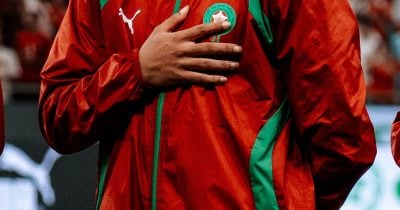
Iran's World Cup squad touched down in Mexico this week, and the first thing many noticed wasn't the team's jerseys or star players—it was the pins on their lapels. The players and staff wore commemorative pins honoring victims of missile strikes, a gesture that pits personal tribute against FIFA's strict rules on political expression.
Pins for the Fallen
The pins, small but visible, are meant to remember those killed in recent missile attacks. Team members wore them as they walked through arrivals and posed for photos. No one from the Iranian football federation has explained the choice in detail, but the message is clear: the team wanted to bring attention to a tragedy that hit close to home.
For Iran, the World Cup is more than sport—it's a stage. And the players are using it, even before a single match is played, to send a signal about loss and solidarity. The exact date or origin of the missile strike victims isn't specified, but the pins have already sparked debate among fans and officials alike.
FIFA’s Rules on Political Statements
FIFA regulations explicitly ban political messages on team uniforms, equipment, and official clothing. The rule is meant to keep the game free from outside conflicts. But where does a memorial pin fall? The Iranian gesture is clearly political—it references a specific type of violence and implies a stance. Yet it's also a humanitarian tribute, which could complicate any potential punishment.
The governing body has a history of enforcing this rule. Players have been fined or warned for displaying slogans, flags, or other symbols during matches. The Iranian team's pins were worn before a match, in a public setting outside of actual play, which might give FIFA room to interpret—or to look the other way. So far, no official statement has come from Zurich.
A Potential Precedent for Athlete Activism
This moment adds to the growing list of athlete-driven political statements in global sports. From taking a knee to wearing armbands, players have increasingly pushed boundaries. The Iranian team's pin gesture could become a test case. If FIFA penalizes them, it may discourage future tributes. If it lets it slide, another door opens for activism on the world's biggest sports stage.
The team itself hasn't said whether this is a one-time show of respect or a signal of more to come. But the timing—arriving in a host country, ahead of a World Cup—makes it deliberate.
What happens next depends on FIFA. The organization must decide whether the pins are a violation, a humanitarian gesture, or something in between. That decision could shape how athletes around the world express themselves in upcoming tournaments.