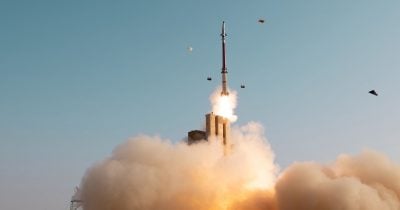
A member of Iran's parliament has called for preemptive attacks on US interests across the Middle East, a proposal that threatens to inflame regional tensions and complicate ongoing diplomatic efforts.
The Call for Preemptive Action
The lawmaker, whose identity has not been made public, made the call during a session of the Majlis, Iran's parliament. The proposal, if carried out, would mark a major escalation in the standoff between Tehran and Washington. It is not yet clear whether the government supports the idea.
The call is a direct challenge to the United States' military presence in the region, which includes bases in several countries. Any attack on those assets would likely be met with a forceful response.
Diplomatic Fallout
Such rhetoric could derail diplomatic efforts that have been underway to reduce tensions. The call adds a new layer of uncertainty to negotiations that are already fragile. Regional actors may now be less willing to engage in dialogue if they fear an imminent attack.
The proposal also puts pressure on Iran's leadership, which must balance domestic political demands with the risks of a wider conflict. Any military action would almost certainly draw a response from the US and its allies, potentially leading to a broader war.
Market and Economic Impact
The prospect of conflict in the Middle East has a direct effect on global markets. Oil prices, in particular, are sensitive to any threat of supply disruption. The call for preemptive attacks could destabilize markets, impacting geopolitical and economic stability.
Investors are likely to watch for any official response from Tehran. If the government signals support for the proposal, the market reaction could be swift and severe. Even without action, the mere suggestion of military strikes adds to the uncertainty that weighs on global economic confidence.
The call is a reminder of how quickly tensions in the region can escalate. It also highlights the difficulty of maintaining diplomatic progress when hardliners in any country can push for confrontation.
The proposal now sits with Iran's leadership, which has not yet responded publicly. The coming days will show whether the call gains traction in Tehran.