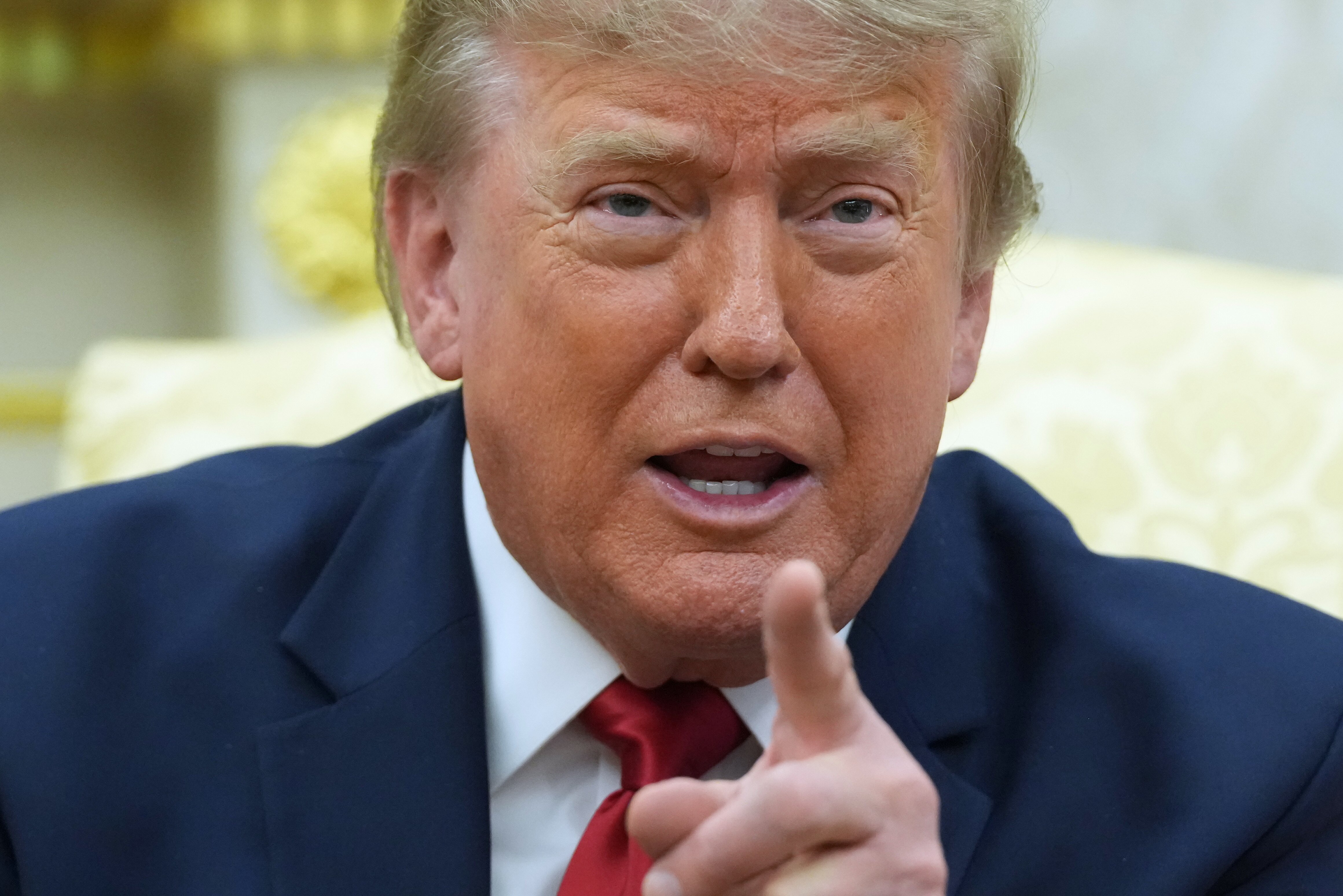
A major Iranian newspaper published a threat of retaliation against German Chancellor Friedrich Merz this week, injecting fresh geopolitical uncertainty into markets already gripped by extreme fear. The publication, whose name has not been disclosed, did not specify the form of retaliation, but the threat was serious enough to draw concern from politicians and a measured response from the German government.
Politicians sound the alarm
Several German politicians have expressed concern over the threat, though no official statements have been released. The German government issued a cautious response, declining to escalate the rhetoric but making clear it is monitoring the situation. The timing isn't great — crypto markets are already in Extreme Fear territory, with the Fear & Greed Index at 25 and Bitcoin struggling to hold $64,500.
📊 Market Data Snapshot
What the market is watching
For now, the threat remains a headline risk. Bitcoin is trading at $64,580, up 2.9% in the past 24 hours, but the broader sentiment is bearish. The macro signal is fearful, and on-chain data is neutral. Traders are watching whether the situation escalates — a concrete action like a cyberattack or diplomatic expulsion could push BTC toward $62,000 support. If Germany downplays the threat and nothing happens, risk appetite could recover, pushing Bitcoin back above $66,000.
Why crypto should care
Iran is a significant Bitcoin mining hub, using subsidized energy to mine BTC and bypass sanctions. A retaliatory threat against Germany could provoke cyber warfare or increased sanctions enforcement targeting Iranian mining farms. That could temporarily reduce Iran's contribution to global hash rate, potentially leading to a difficulty adjustment and a short-term price increase if demand holds. But it's also possible that Iranian state-linked cyber groups target German crypto exchanges and DeFi protocols as a form of retaliation. German exchanges are among the most regulated in Europe, but a successful attack could drain liquidity and undermine trust.
Longer term, this event may accelerate German regulatory scrutiny on crypto as a sanctions-evasion tool. Germany is a key EU member; tighter KYC/AML rules for self-custody wallets and DeFi front-ends could set a precedent for the entire bloc. That would affect how crypto is used for cross-border transfers, especially for users in Iran and Germany seeking to avoid state surveillance.
For now, the market is already pricing in fear. The marginal impact of this threat is likely small — but if it triggers a broader conflict, all bets are off. The next concrete thing to watch is whether the German government issues a formal statement or takes any diplomatic action. That could come within days.