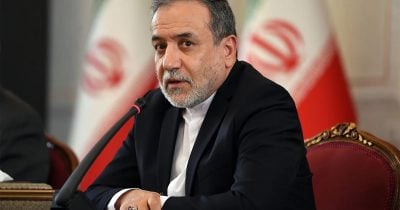
Iranian President Masoud Pezeshkian has reportedly resigned, according to multiple reports, amid a deepening internal power struggle. The move, if confirmed, could signal a shift toward military dominance in Iran, with potential consequences for regional stability and international relations.
The reported resignation
The news of Pezeshkian's resignation emerged from sources within Iran's political circles. No official confirmation has come from the presidential office or state media. The reports describe a power struggle that had been intensifying in recent weeks, pitting the civilian administration against hardline military factions. Pezeshkian, who took office less than two years ago, had faced mounting pressure from within the government's security apparatus.
Power struggle context
Iran's political landscape has long been marked by infighting between elected civilian leaders and the military establishment, particularly the Islamic Revolutionary Guard Corps (IRGC). The reported resignation suggests that the IRGC and its allies may be consolidating control. A shift toward military dominance would alter the balance of power in Tehran, giving the armed forces a more direct hand in policymaking. Such a change could limit the influence of reformist and moderate factions.
Regional and global stakes
Iran's internal power dynamics have direct repercussions beyond its borders. A government more heavily influenced by the military could take a harder line on nuclear negotiations, regional proxy conflicts, and relations with Gulf states and Israel. The international community, already wary of Iran's nuclear program and its support for groups like Hezbollah and the Houthis, will be watching closely. Any shift in Tehran's leadership could complicate diplomatic efforts and heighten tensions across the Middle East.
The reported resignation also raises questions about Iran's future engagement with world powers. Pezeshkian's administration had pursued a slightly more open approach to talks on sanctions relief and regional de-escalation. A military-dominated government could reverse that course, potentially leading to further isolation and increased confrontation.
Uncertainty ahead
The Iranian government has not commented on the reports. Until an official announcement is made, the situation remains fluid. The coming days will reveal whether Pezeshkian's departure is permanent and who will step in to lead the country. The power vacuum could accelerate the military's grip on the state, or it could trigger new struggles among civilian politicians. Either way, the outcome will shape Iran's trajectory for years to come.