For the fourth straight day, Iranian drones and missiles have pounded power and water facilities inside Kuwait, forcing repeated blackouts and water rationing across the country. The attacks, which began Sunday, have now hit at least six separate installations, including two major desalination plants. The campaign is raising fresh alarms about the security of critical energy infrastructure in the Gulf.
Four Days of Attacks
Strikes have come in waves — sometimes two or three in a single night. In the latest round, a drone struck a water pumping station north of Kuwait City around 2 a.m. local time, knocking out service to parts of the capital. A separate missile hit a power substation near the oil port of Mina al-Ahmadi, cutting electricity to nearby residential areas. Authorities say repair crews are working under constant threat of further strikes.
What’s Being Hit
The targets are not military. They’re the plants that turn seawater into drinking water and the grid that carries electricity to homes, hospitals, and businesses. One desalination plant in Shuwaikh has been damaged twice in three days, according to the Kuwaiti Ministry of Electricity and Water. The ministry says it’s now operating at about 60% of normal capacity. Water trucks have been deployed to some neighborhoods, but lines are long.
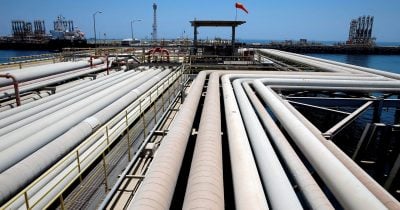
Kuwait sits on nearly 7% of the world’s proven oil reserves. Its power grid also feeds into a regional network that connects to Saudi Arabia, Bahrain, and Qatar. A sustained disruption to Kuwait’s electricity and water supply could ripple through the Gulf’s energy markets. The attacks are a stark reminder that the region’s most concentrated oil and gas infrastructure sits within range of Iranian drones.
The Response
Kuwait’s government has not publicly detailed its defense measures. But military sources say Patriot batteries have been repositioned, and fighter jets are flying around-the-clock patrols. So far, there’s no sign the strikes are slowing. The question now is whether the attacks will widen to other Gulf states — or whether diplomatic channels can reopen before the damage deepens.