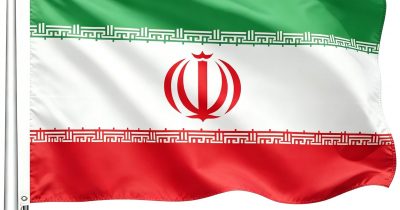
Iran's crude oil exports dropped 84% in May, according to new data, as the US blockade intensified. The steep decline threatens to upend global oil markets, hit Asian refiners hard, and inflame already high regional tensions.
The numbers behind the fall
The 84% plunge marks one of the sharpest monthly drops on record for Iran. May exports fell to roughly 300,000 barrels per day, down from over 1.8 million barrels a day just a year ago. The US has steadily tightened its blockade since reimposing sanctions in 2018, cutting off most legal buyers and squeezing Tehran's main revenue stream.
Iranian officials have not commented on the latest figures, but the country's oil minister acknowledged earlier this year that exports faced “serious challenges.” Tanker tracking data, which the industry relies on because the government no longer publishes numbers, shows the steep slide accelerating in recent weeks.
Why the blockade matters
The US reimposed sanctions after withdrawing from the 2015 nuclear deal, vowing to drive Iran's oil sales to zero. While that goal hasn't been fully reached, the May numbers suggest Washington is getting closer. The blockade works by threatening sanctions on any company or country that buys Iranian crude, making it nearly impossible for Tehran to find buyers on the open market.
China, Iran's top customer, has continued to import some oil — often via opaque ship-to-ship transfers or using vessels that turn off their transponders. But even those flows have slowed. Indian and South Korean refiners, once major buyers, have largely stopped purchasing Iranian crude to avoid US penalties.
Asian refiners feel the pinch
The biggest impact is hitting Asian refineries that were built to process Iran's heavy, sour crude. Those plants now need to find alternative supplies — often from Iraq, Saudi Arabia, or Venezuela — and pay higher prices. The tighter supply pushes up costs for diesel, gasoline, and jet fuel in markets like China, India, Japan, and South Korea.
Some refiners have already cut run rates. Others are scrambling to secure cargoes from the spot market, where prices have climbed. The disruption adds pressure to an already strained global oil supply chain, especially as OPEC+ production cuts continue to limit supply.
Rising tensions in a volatile region
The export collapse also fuels broader instability. Iran has responded to the blockade by seizing tankers in the Persian Gulf, stepping up attacks on Saudi oil infrastructure, and threatening to block the Strait of Hormuz — a chokepoint through which about a fifth of the world's oil passes.
In recent weeks, the US dispatched additional warships to the region, while Iran test-fired missiles and accelerated its uranium enrichment program. Each new escalation raises the risk of a direct confrontation or a supply disruption that could send oil prices skyrocketing.
The question now is just how long the blockade can hold — and what Tehran will do next. With its oil income slashed, the regime faces mounting economic pressure at home. But it still has leverage in the form of its military position and its ability to disrupt other countries' oil shipments. The May export numbers make clear that the squeeze is working, but also that the standoff is far from over.