Iran is wrestling with severe economic conditions as its long-running standoff with the US and Israel intensifies. The heightened tensions could now put at risk two things the country can ill afford to lose: the slim chances of a renewed nuclear deal and the smooth flow of oil through the Strait of Hormuz. Should either unravel, crude prices could climb sharply.
The nuclear deal's fragile state
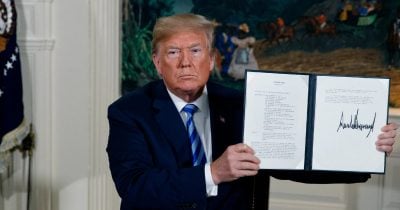
The prospect of a US-Iran nuclear agreement has been hanging by a thread for years. The latest escalation in tensions makes any breakthrough look even more remote. While neither side has walked away from the table, the climate is hardly conducive to trust or compromise. For Iran, an economy already running hot under sanctions, the lost opportunity is a heavy one.
Strait of Hormuz on the line
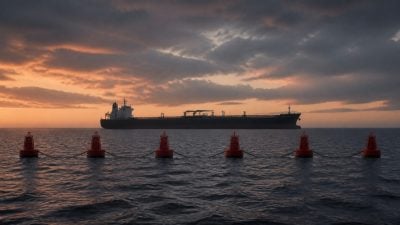
The Strait of Hormuz is a narrow waterway that handles a sizeable chunk of the world's oil shipments. Any disruption to that traffic would be felt in every corner of the global energy market. The mere threat of trouble in the strait has historically sent shivers through traders. With tensions running high, that threat is now more than a distant worry.
Oil prices at a tipping point
Oil prices have always been sensitive to events in the Gulf. A conflict that closes or even reduces traffic through Hormuz would likely drive prices upward. That's a scenario no economy wants, and it could come at a time when the global market is already stretched. For Iran, higher oil prices might seem like a silver lining, but the reality is that the country's economic hardship has been deepened by the very same tensions that now threaten the market.
The Iranian government has not said how it plans to ride out the storm. The situation remains fluid, and the stakes are high.