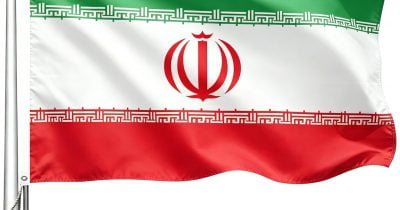
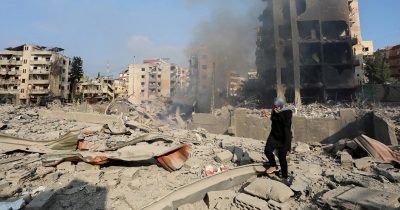
Iran's currency is sliding and prices are climbing, a combination that's putting fresh strain on the government and raising worries about broader fallout. The rial has weakened further in recent weeks as tensions with the United States keep mounting. Inflation is soaring, and the squeeze is becoming harder to ignore.
Why the rial keeps losing ground
The rial's decline isn't new, but the pace has picked up. U.S. pressure, including sanctions and military posturing, has spooked currency markets. Iranian households and businesses are watching their savings shrink as the exchange rate deteriorates. Each dip in the rial makes imported goods pricier, which feeds straight back into inflation.
The government has tried to steady things before, but this time feels different. There's no sign of a breakthrough in relations with Washington, and the conflict shows no signs of cooling. Without that, the rial has little room to recover.
Pressure on the regime
Economic pain has a way of turning into political trouble. Iran's leadership is facing a population that's tired of rising costs and a currency that buys less every week. The regime has survived similar moments before, but the current combination of inflation and currency weakness is testing its grip.
If the situation deteriorates further, it could shake the government's hold on power. That's not a forecast — it's a risk that's hard to ignore when basic goods become unaffordable for more people.
Oil markets in the crosshairs
Iran sits on some of the world's largest oil reserves, so its troubles don't stay local. Any serious instability in Tehran could disrupt exports or shipping lanes, and markets are already jittery. A regime under pressure might also lash out in ways that threaten regional security, which would push oil prices higher.
Geopolitical stability in the Middle East has always been tied to Iran's internal health. A weaker, more desperate government could take risks that spook global energy buyers. That's the scenario traders are watching as the rial keeps falling.
The long-term picture is uncertain. If the currency slide continues, Iran could face a deeper economic crisis that forces hard choices — either at home or on the world stage. For now, the central bank hasn't announced any new measures to halt the decline, and the conflict with the U.S. shows no sign of easing.
The next few months will reveal whether Tehran can find a way to stabilize the rial, or whether the pressure builds to a breaking point. That answer won't just matter for Iranians — it will matter for anyone who watches oil prices.