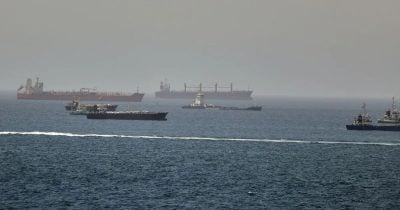
The Islamic Revolutionary Guard Corps has tightened its grip on the Strait of Hormuz, a chokepoint for roughly a fifth of the world's oil shipments. The move has triggered a spike in naval activity on both sides and pushed tensions in the region to a new high.
Why the Strait Matters
The Strait of Hormuz connects the Persian Gulf to the Gulf of Oman and the open ocean. Every day, tankers carrying about 17 million barrels of crude pass through its narrow waters. For decades, Iran has used the strait as leverage — threatening to block it during confrontations. Now, the IRGC's expanded presence suggests a more permanent posture.
What Expanded Control Looks Like
The IRGC, a powerful branch of Iran's military, has increased its patrols and set up new observation points along the strait, according to reports from the region. It's not just about more boats. The force has also deployed faster attack craft and anti-ship missiles, making any transit more risky. The U.S. Navy's Fifth Fleet, based in Bahrain, has responded by stepping up its own patrols.
Rising Naval Activity
Commercial shipping is feeling the heat. Some vessels have reported close passes by IRGC speedboats. Insurers are watching closely — premiums for war-risk coverage through the strait have crept up. No major incidents have occurred yet, but the sheer volume of naval movements is unusual. Both sides are now operating within sight of each other more often than in recent years.
What Comes Next
The IRGC's expansion is not a formal blockade. But it changes the calculus for any country that relies on Gulf oil. Diplomats have been quiet, and no new negotiations are scheduled. The key question is whether the increased presence will lead to a miscalculation — a collision, a warning shot that escalates. For now, the strait remains open, but the margin for error is shrinking.