The Islamic Revolutionary Guard Corps Navy halted a US oil tanker in the Strait of Hormuz on Wednesday, marking a sharp escalation in the ongoing standoff between Tehran and Washington. The move, confirmed by Iranian state media, adds a new layer of risk to the world’s most critical oil chokepoint.
The incident in the strait
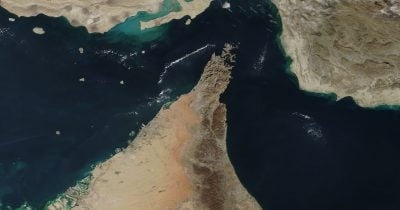
IRGC patrol vessels intercepted the tanker as it transited the narrow waterway between the Persian Gulf and the Gulf of Oman. The vessel was not named, and it’s unclear how long it was detained before being allowed to proceed. The IRGC said the action was in response to what it called “violations of maritime law,” though it offered no specifics.
The Strait of Hormuz handles about a fifth of the world’s oil supply — roughly 20 million barrels a day. Any disruption there sends shivers through global energy markets. This is the first known seizure of a US-flagged tanker by Iran since the 2019-2020 round of tanker seizures that followed the US withdrawal from the nuclear deal.
Tensions have been rising for months. Iran has ramped up uranium enrichment, the US has sent additional warships to the region, and indirect talks on reviving the 2015 nuclear accord remain stalled. The tanker incident could push both sides closer to a direct confrontation.
Oil prices have already been volatile, partly due to fears of a wider Middle East conflict. A blockade or even a prolonged delay of a single tanker can trigger insurance rate spikes and rerouting of vessels, adding costs that eventually hit consumers.
What the IRGC is signaling
The IRGC Navy operates independently from Iran’s regular navy and is known for asymmetric tactics: fast boats, mines, and anti-ship missiles. By stopping a US commercial vessel, the IRGC is testing Washington’s response while avoiding a direct attack on military assets. It’s a calculated move — risky but deniable.
Iranian officials have previously threatened to close the strait if the country’s oil exports are cut off. The US has repeatedly said it would keep the waterway open. This stop-and-check operation stops short of a closure, but it’s the kind of provocation that can quickly spiral.
The unresolved question
How the US will respond is the open question. The Biden administration has so far focused on diplomacy and deterrence. A naval escort for commercial ships? Sanctions on IRGC-linked entities? A formal protest at the United Nations? Each option carries trade-offs. For now, the tanker is on its way, but the strait just became a lot more dangerous.