Iran's Islamic Revolutionary Guard Corps (IRGC) launched a retaliatory strike against a US military base Monday, sharply escalating hostilities between the two nations and amplifying fears of broader regional conflict. The attack, which follows a series of tit-for-tat exchanges, marks a dramatic uptick in direct military confrontation beyond proxy engagements.
The Retaliatory Strike
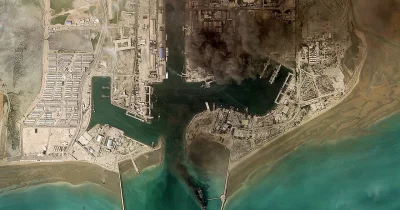
The IRGC confirmed it carried out the strike in response to what it described as recent provocations, though the specific trigger remains unstated in official announcements. Witnesses near the targeted facility reported multiple explosions and anti-missile fire. No casualties have been confirmed by either side, but the attack underscores Iran's willingness to hit American forces directly.
The base involved is not named in initial reports, but analysts point to several installations across the Middle East where US troops are stationed. The choice of weaponry—likely drones or missiles—signals a capability that Tehran has steadily refined over the past decade. Any miscalculation could pull in allied forces and regional actors, turning a targeted retaliation into a wider firestorm.
Escalation of US-Iran Tensions
This is not the first exchange between the two countries, but it is among the most direct. Previous cycles of strike and counterstrike, including the 2020 killing of Qassem Soleimani and Iran's subsequent missile attack on Iraqi bases, have kept relations on a knife's edge. The latest action erodes any lingering deterrence built by the US show of force in the region.
Washington has not yet issued a formal response, but the White House was reportedly briefed within hours. The Pentagon is likely reviewing force protection measures and may reposition assets. A measured reply could de-escalate, but a heavy-handed one risks dragging the region into a new cycle of violence. The IRGC's decision to claim responsibility publicly suggests Tehran is not hiding its hand—it wants the message received.
Regional Instability Risks
Neighboring states are watching nervously. Gulf Arab countries, already wary of Iranian missile capabilities, may push for diplomatic channels even as they align with US security guarantees. Iraq, which hosts both American troops and Iranian-aligned militias, could become a flashpoint. Any escalation on its soil would threaten the fragile political order there.
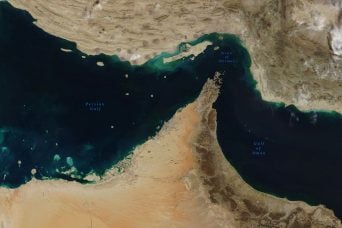
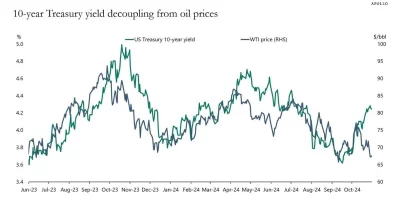
Global oil markets reacted swiftly, with crude prices ticking upward on fears of supply disruptions through the Strait of Hormuz. The IRGC has threatened to close the strait in past crises, and that threat now seems less bluster than contingency. Shipping insurers are likely to raise premiums for vessels transiting the Gulf.
The United Nations called for restraint, but such appeals have often fallen flat in previous rounds. Without direct communication channels between Washington and Tehran, the risk of misperception is high. A single radar glitch or errant missile could spin events beyond anyone's control.
Uncertainty Over Next Steps
For now, the immediate question is whether the US will retaliate in kind or seek a diplomatic off-ramp. The IRGC has signaled it considers the matter closed unless provoked further—but such assurances have proven fragile in past standoffs. The coming days will test both sides' appetite for a conflict neither seems to want but both appear to be sliding toward.