Iran's Islamic Revolutionary Guard Corps has threatened US allies, including the United Kingdom and Gulf states, amid rising tensions in the Middle East. The warnings from the IRGC, a powerful branch of Iran's military, signal a sharp escalation in rhetoric as diplomatic efforts to contain Iran's nuclear program face new hurdles.
The Nature of the Threats
The IRGC did not specify the form or timing of potential action, but the threats were directed at countries that host US military bases or cooperate closely with Washington. The UK maintains a significant military presence in the Gulf, including naval bases in Bahrain and Oman. Gulf states such as Saudi Arabia, the United Arab Emirates, and Bahrain have long been targets of Iranian rhetoric due to their alliances with the US.
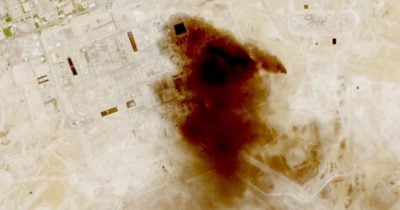
These threats come at a time when the IRGC has been increasingly vocal about its ability to strike regional adversaries. The group has previously claimed responsibility for attacks on oil tankers and drone strikes on Saudi oil facilities, though it often denies direct involvement.
Who Are the IRGC?
The Islamic Revolutionary Guard Corps was established after Iran's 1979 revolution to protect the country's Islamic system. It operates separately from Iran's regular military and controls key sectors of the economy, including oil and gas. The US designated the IRGC as a foreign terrorist organization in 2019, a move that further strained relations.
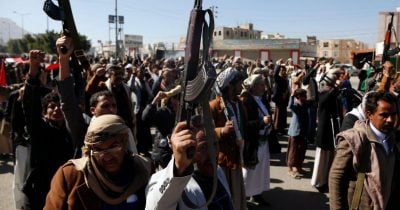
The IRGC has its own navy, air force, and ground forces, and it oversees Iran's ballistic missile program. It also supports proxy groups across the Middle East, including Hezbollah in Lebanon and various militias in Iraq, Syria, and Yemen. This network gives the IRGC the ability to project power far beyond Iran's borders.
Rising Tensions in the Region
The threats come amid a broader deterioration of security in the Gulf. Iran has continued to enrich uranium at levels beyond those permitted by the 2015 nuclear deal, which the US abandoned in 2018. Negotiations to revive the deal have stalled, and Iran has restricted access for international inspectors.
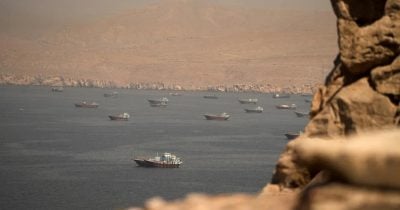
In recent months, there have been several incidents involving Iranian forces and US-allied navies in the Persian Gulf. The IRGC has also been accused of supplying drones to Russia for use in Ukraine, a charge Tehran denies. These factors have contributed to a climate of mistrust and heightened alert among US allies.
Allies on Alert
The UK and Gulf states have not yet issued formal responses to the specific threats, but they are likely to coordinate with the US on next steps. The US Central Command has increased patrols in the region, and the UK has reinforced its naval presence. The threats also come as the UK and Gulf states participate in joint military exercises with the US.
For Gulf nations, the IRGC's threats are a reminder of the vulnerability of their energy infrastructure. Saudi Arabia and the UAE have invested heavily in air defense systems, but the risk of drone or missile attacks remains a concern. The UK, meanwhile, has warned its citizens in the region to remain vigilant.
The situation is fluid, and further statements from the IRGC or Iranian officials are expected in the coming days. The US has reiterated its commitment to defend its allies, but the path to de-escalation remains unclear.