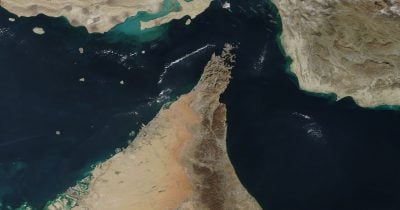
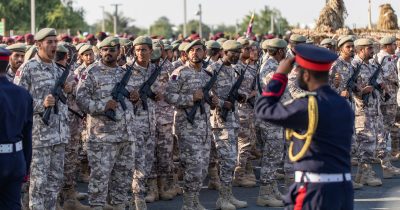
The Islamic Revolutionary Guard Corps still holds the reins at the Strait of Hormuz, the narrow passage that carries roughly a fifth of the world's oil. Its presence, which the IRGC says guarantees safe passage for vessels, is also the reason regional tensions stay high and traffic in the waterway can't return to normal.
A Narrow Passage, Outsize Influence
The Strait of Hormuz is no ordinary stretch of water. It connects the Persian Gulf to the Gulf of Oman and is the only way out for tankers loaded with crude from Saudi Arabia, Iran, Iraq, the UAE and Kuwait. The IRGC has controlled its eastern side for years, giving Tehran a lever over global energy flows. That control hasn't slipped despite international pressure and periodic skirmishes.
Safety Guarantee vs. Persistent Friction
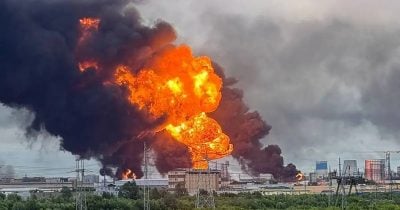
The IRGC itself argues its oversight keeps vessels safe from piracy and rogue attacks. But the same presence that provides that guarantee also generates friction. Neighboring Gulf states and Western navies see the IRGC's patrols as a source of instability, not security. Every close encounter between Iranian speedboats and commercial ships risks escalation. That dynamic has made the Strait a persistent flashpoint, even when no shots are fired.
Global Oil Markets Feel the Squeeze
Oil traders have learned to price in the IRGC factor. The mere threat of disruption — a seizure, a mine, a warning — can add a few dollars to a barrel. When tensions spike, shipping insurers raise premiums and some tanker operators reroute, adding days to voyages. The result is a constant, low-level premium on crude that comes through the Strait. A full normalization of traffic would likely shave that premium away, but that's not happening while the IRGC calls the shots.
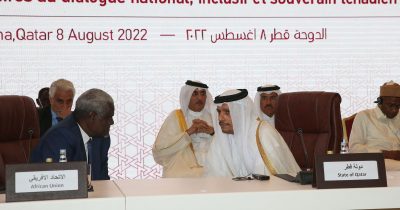
The IRGC's control also complicates any diplomatic deal. Talks over Iran's nuclear program or regional role inevitably touch on the Strait, but the IRGC operates partly outside government control. That makes assurances about freedom of navigation hard to guarantee.
For now, shipping companies and oil traders watch for any change in the IRGC's posture. The next few months will test whether diplomatic efforts can reduce the friction, or whether the status quo endures.