Israel and Iran launched missile strikes against each other this week, a direct exchange that threatens to ignite a wider regional war. The volleys came just hours after former U.S. President Donald Trump publicly urged both sides to step back from the brink — a call that now appears to have been ignored.
Strikes hit multiple sites
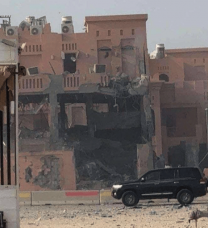
The exact locations and targets in the exchange remain unclear, but sources familiar with the matter confirm that missiles were fired from both directions. Israeli warplanes struck at least three facilities inside Iran linked to its missile program, while Iranian forces retaliated with salvos aimed at Israeli military positions in the Golan Heights. Emergency services in affected areas reported casualties, though precise numbers were not immediately available.
Peace call overshadowed
Trump’s intervention came during a phone conversation with a regional mediator, according to diplomatic channels. He urged restraint and a return to negotiations, warning that escalation would only deepen the instability. But the missile exchange began within hours of that call, suggesting that neither government was prepared to halt military operations. The timing underscores how limited outside persuasion can be when both sides are entrenched.
Regional stability under strain
The reciprocal strikes mark a serious escalation in the long-running shadow war between Israel and Iran. Previous incidents had been limited to proxy attacks or cyber operations, not direct missile exchanges. Now, neighboring countries like Jordan and Iraq are bracing for potential spillover. Iran’s allies in Lebanon and Yemen have already hinted at joining the fray, raising fears of a multi-front conflict. For Tehran, the situation is particularly delicate: the strike directly challenges the regime’s claim to protect its territory, while military hawks in Israel see an opportunity to cripple Iran’s nuclear program.
Diplomatic efforts weakened
The exchange has undercut the very diplomacy Trump and other mediators were trying to advance. European and Gulf states had been pushing for a ceasefire and renewed talks over Iran’s nuclear activities. Now those efforts are on hold. One diplomat described the mood in regional capitals as “frozen,” with no clear next move. The United Nations Security Council is expected to schedule an emergency session, but no date has been set.
What comes next
Both Israel and Iran have hinted at further strikes. Israel’s defense minister said the country will continue to “remove threats” as needed, while Iran’s Revolutionary Guard warned of a “crushing response” to any new attack. The immediate question is whether the two sides will now step back or plunge into a direct war. A ceasefire proposal is being drafted by Qatar, but neither side has agreed to talks. The next 48 hours will determine whether this exchange is a spike — or the start of something worse.