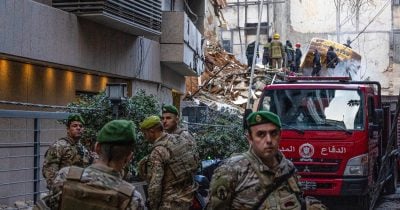
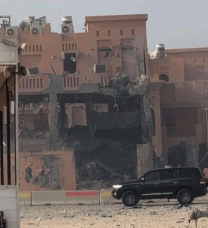
Israel has expanded military operations into Lebanon, targeting Hezbollah positions despite an existing ceasefire agreement. The move threatens to unravel the fragile truce, destabilize regional security, complicate ongoing US-Iran negotiations, and send shockwaves through financial systems already on edge.
A ceasefire broken
The ceasefire, brokered months ago, had largely held along the Israel-Lebanon border. But over the past 48 hours, Israeli forces pushed deeper into southern Lebanon, striking what military officials described as Hezbollah infrastructure. The expansion marks a clear violation of the truce terms, though neither side has formally declared the ceasefire dead. Hezbollah has not yet issued a full response, but its fighters remain mobilized along the frontier.
Regional stability at risk
The escalation risks pulling in other actors. Lebanon's government, already fractured and economically crippled, has little control over Hezbollah's actions. Meanwhile, Iran backs the group and views Israel's move as a direct provocation. Analysts following the region note that a wider conflict could draw in Syria and even non-state militias from Iraq. The United Nations peacekeeping force in southern Lebanon, UNIFIL, has called for restraint, but its mandate limits its ability to intervene.
US-Iran talks in jeopardy
Washington has been quietly mediating indirect talks with Tehran aimed at curbing Iran's nuclear program and reducing regional tensions. Israel's operation complicates those efforts. Iran may now see less incentive to compromise, while the US faces pressure from allies to condemn Israel or risk losing credibility as a neutral broker. The timing could not be worse for diplomats who had hoped for progress by mid-year.
Financial system ripple effects
Financial markets began reacting almost immediately. Israeli stocks dipped, and the shekel weakened against the dollar. Bond yields on Lebanese sovereign debt, already in distressed territory, spiked further. Global oil prices ticked up on fears that a broader conflict could disrupt supplies from the region. Safe-haven assets like gold and the US dollar gained as investors shifted money out of riskier holdings. The escalation adds a new layer of uncertainty to an already volatile economic landscape.
The coming days will test whether diplomatic channels can absorb the shock or whether the region slides into a wider confrontation. The UN Security Council is expected to hold emergency consultations, though any resolution faces the usual geopolitical divides. For now, the ceasefire exists in name only.