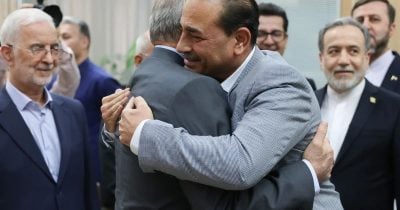
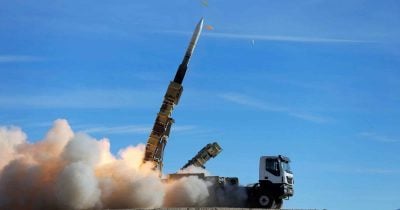
Israel and Iran exchanged air strikes this week, pushing an already fragile ceasefire to the brink and sending a jolt through cryptocurrency markets. Prices dropped across the board as traders priced in the risk of broader regional escalation. The renewed hostilities, which come just days after a tentative truce, are the latest reminder that crypto isn't immune to the world's geopolitical shocks.
Ceasefire falters
The strikes mark the most serious breach of the ceasefire since it was brokered last month. Israel launched the first wave, targeting what it described as Iranian military positions near the Syrian border. Iran retaliated within hours with a barrage of drones and missiles aimed at Israeli-held territory. Neither side has confirmed casualties, but the exchange has effectively shattered the brief calm. Diplomatic channels are still open, but no new talks have been scheduled — a worrying sign for markets that had been betting on de-escalation.
Crypto market reaction
Traders didn't wait for the dust to settle. Within hours of the first reports, major cryptocurrencies saw selling pressure intensify. Bitcoin dropped sharply, and altcoins followed. Trading volumes spiked as investors scrambled to cut risk. Some moved into stablecoins, others simply stepped aside. The selloff wasn't as chaotic as some past geopolitical flash crashes, but it was broad and fast. Exchanges reported higher-than-average withdrawal requests, though none halted trading.
Geopolitical risk and crypto's vulnerability
The episode challenges the narrative that crypto serves as a safe haven during global turmoil. Instead, the price action this week suggests it behaves more like a risk asset — sensitive to the same macro shocks that hit equities and commodities. Iran and Israel aren't major crypto markets, but the conflict's potential to disrupt energy supplies and trade routes ripples through global finance. For crypto, that means a flight to liquidity and a repricing of uncertainty. The correlation with traditional risk markets isn't perfect, but it's undeniable in moments like these.
What happens next is anyone's guess. The ceasefire is now effectively dead unless both sides quickly return to talks. For now, traders are watching the skies — and their portfolios are reflecting the unease.