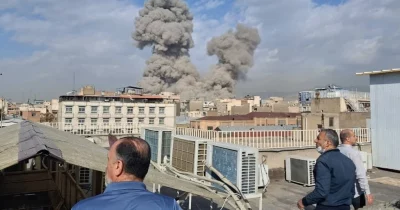
Israel has launched Operation Arrows of Fire, prompting immediate evacuations in parts of Beirut. The military operation, announced without prior warning, risks escalating tensions across the region and adds fresh strain on humanitarian resources already stretched thin by ongoing conflict. It also presents a new hurdle for international diplomats working to broker a ceasefire.
Why Beirut Is Being Evacuated
The operation forces thousands of civilians to flee their homes in targeted areas of the Lebanese capital. Evacuation orders were issued early in the day, sending residents scrambling for safety. Roads leading out of Beirut quickly became congested as families packed what they could carry.
The Risk of Regional Instability
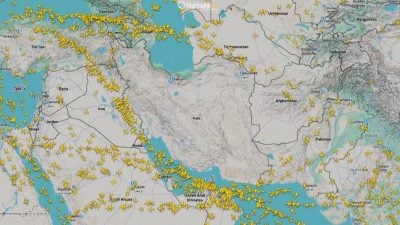
Operation Arrows of Fire does not stop at Lebanon's borders. The move threatens to draw in neighboring countries and armed groups, raising the prospect of a wider conflict. Regional powers have urged restraint, but the operation's scope makes de-escalation difficult.
Humanitarian Resources Under Pressure
The fresh evacuations pile onto a humanitarian crisis that was already severe. Aid organizations now face an even greater demand for shelter, food, and medical care. Warehouses are running low on supplies, and relief workers report that access to affected areas is becoming more dangerous.
International Peace Efforts Tested
Diplomatic channels had shown faint signs of progress in recent weeks, with envoys shuttling between capitals. The launch of Operation Arrows of Fire undermines those talks. Mediators now have to contend with a new reality on the ground, making any near-term agreement even less likely. The operation challenges the very framework of the peace process, as both sides dig in.
What comes next depends on whether the operation achieves its stated goals or simply deepens the cycle of violence. For now, the streets of Beirut are emptying, and the diplomatic clock is reset.