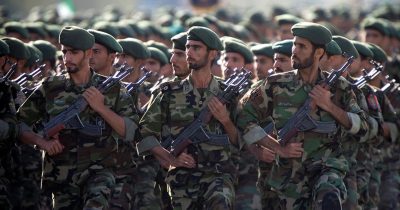
Israel is preparing for a possible conflict with Iran, and it is doing so without the backing of the United States. The move signals a significant shift in the security landscape of the Middle East, where Israel has long counted on American military and diplomatic support in any major confrontation.
What the Preparation Means
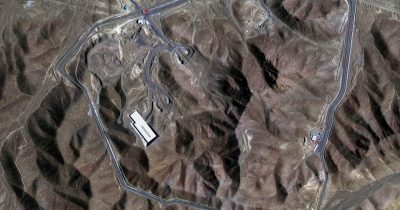
The preparation involves a broad range of military and strategic measures, though the specific steps have not been disclosed. Israeli forces are believed to be reviewing contingency plans, repositioning assets, and updating intelligence assessments for a scenario that could involve direct strikes on Iranian nuclear facilities or other military targets.
Without US involvement, Israel's approach would have to account for a more limited capacity for resupply, intelligence sharing, and diplomatic cover. That changes the calculus of any operation, as Israel would face the risk of a prolonged engagement with less external support.
A Shift in the Alliance
The absence of US backing marks a departure from the pattern of recent decades, during which Washington and Jerusalem coordinated closely on Iran policy. In previous crises, the United States provided not only military equipment and intelligence but also a diplomatic shield at the United Nations and in other international forums. That shield appears to be unavailable now.
The reasons for the lack of support are not fully clear, but the implication is that Israel is prepared to move forward even if that means acting alone. This could strain the long-standing alliance, or it could reflect a deliberate American decision to distance itself from a specific Israeli operation.
The Regional Stakes
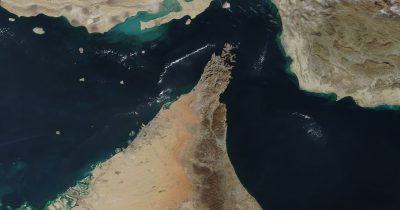
A conflict between Israel and Iran would carry heavy consequences across the region. Iran's response could involve its network of proxies in Lebanon, Syria, and Yemen, potentially drawing multiple countries into the fighting. Shipping lanes in the Persian Gulf could be threatened, and oil prices could spike. Neighboring states would likely face pressure to take sides or to stay out.
Israel, for its part, would be operating without the reassurance of US air support or missile defense coordination. That could affect the timing and scale of any action, as Israeli planners weigh the risks of a sustained exchange against the goal of degrading Iran's military capabilities.
What Happens Next
The coming weeks will show whether these preparations translate into actual military action. The key question is how far Israel is willing to go without the explicit approval or assistance of the United States, and how Washington would respond if Israel does strike. For now, the situation remains tense, with both sides likely to keep their options open.