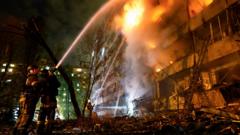
Israel struck the Lebanese city of Tyre this week as a cease-fire agreement with Lebanon appeared to be unraveling. The attack comes just days after both sides signaled a tentative halt to hostilities. Now that truce is looking shaky, and the region is bracing for what comes next.
The Faltering Cease-Fire
The cease-fire, brokered weeks ago, was meant to calm months of cross-border fire. But neither side fully pulled back. Israel cited continued threats from militant groups in southern Lebanon. Lebanon accused Israel of violating the terms with overflights and incursions. The latest strike on Tyre suggests the deal is effectively dead — at least for now.
There have been no official statements from either government since the attack. Military sources in the region describe the situation as volatile. The cease-fire's collapse was not sudden; it eroded slowly, with each side blaming the other for small breaches. But this strike is the most significant violation yet.
Strike on Tyre
Tyre, a coastal city in southern Lebanon, has seen sporadic violence during the conflict but rarely a direct Israeli strike. The target of the attack was not immediately clear. Local reports said explosions were heard near the port and residential areas. Casualty figures have not been released.
Why Tyre? The city sits close to the Israeli border but is also a symbol of Lebanese heritage. Hitting it sends a message that Israel is willing to escalate. For Lebanese civilians, it's a terrifying reminder that no place is safe.
Regional Instability
The faltering cease-fire doesn't just affect Israel and Lebanon. It rattles the entire region. Neighboring countries like Syria and Jordan worry about spillover. Hezbollah, the Iranian-backed group with deep roots in Lebanon, has already vowed to respond. Iran itself has condemned the strike. The risk of a broader military conflict — one that could draw in multiple actors — is now higher than it has been in years.
Diplomatic efforts have stalled. The United Nations has called for restraint, but no new talks are scheduled. The United States, a key broker of the original cease-fire, has not issued a detailed statement since the attack. Without a renewed push for diplomacy, the cycle of retaliation may spin out of control.
What Comes Next
The next few days will tell the story. If Hezbollah launches a significant reprisal, Israel will likely hit back harder. That could mean more strikes on Lebanese infrastructure — or even a ground operation. The cease-fire is not officially dead, but its pulse is faint. The question now is whether either side wants to revive it — or if they are already preparing for a longer, bloodier fight.