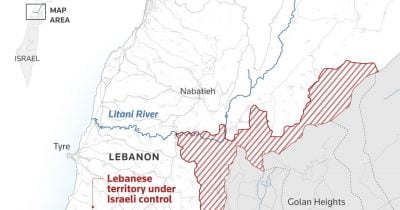
An Israeli airstrike in Beirut has reportedly killed Hezbollah leader Hassan Nasrallah, according to sources in the region. The strike, which hit a residential area in the southern suburbs of the Lebanese capital, marks a dramatic escalation in a conflict that has simmered for months. If confirmed, the death of the longtime militant chief would be one of the most significant blows to the Iran-backed group in years.
How the strike unfolded
The attack occurred late Tuesday evening. Witnesses described a series of explosions followed by thick smoke rising from the Dahiyeh district, a Hezbollah stronghold. Israeli military officials declined to comment on the operation, but regional media outlets reported that fighter jets had targeted a building where Nasrallah was believed to be meeting with senior commanders. Lebanese security forces have cordoned off the site, and rescue teams are still searching through the rubble.
Nasrallah has led Hezbollah since 1992. Under his command, the group grew from a militia into a major political and military force in Lebanon, fighting Israel in 2006 and later intervening in Syria's civil war. His reported death would leave a power vacuum within the organization, potentially triggering internal succession struggles.
Why the timing matters
The airstrike comes at a delicate moment for the region. International mediators had been working to broker a ceasefire between Israel and Hezbollah, with talks set to resume in Geneva next week. The reported killing threatens to derail those efforts entirely. In a statement, the United Nations called for restraint and urged all parties to avoid further bloodshed. But on the ground, the mood is anything but restrained.
Lebanese officials condemned the strike as a violation of sovereignty. Hezbollah's Al-Manar TV broadcast eulogies for Nasrallah, though the group has not officially confirmed his death. Meanwhile, Israeli Prime Minister Benjamin Netanyahu's office said only that Israel reserves the right to defend itself against any threat.
Markets brace for wider conflict
Financial markets reacted swiftly. Oil prices jumped more than 5% in early Asian trading on Wednesday, as traders priced in the risk of a broader war that could disrupt supply from the Middle East. Safe-haven assets like gold and the U.S. dollar also strengthened. Stock exchanges in Tel Aviv and Beirut saw heavy selling, with the main Lebanese index dropping 3% before trading was halted.
Investors are watching for Hezbollah's response. The group has a vast rocket arsenal and has demonstrated the ability to strike deep inside Israel. A full-scale retaliation could draw in other regional players, including Iran, which backs Hezbollah. For now, the situation remains fluid, and no one is certain what comes next.
The question hanging over the region is simple: can the ceasefire talks survive this? Mediators had made progress in recent weeks, with both sides signaling willingness to de-escalate. The reported killing of Nasrallah changes the calculus entirely. Hezbollah may view continued diplomacy as a sign of weakness, while Israel may see an opportunity to press its advantage. Without a clear path back to the negotiating table, the risk of a wider war grows by the hour.