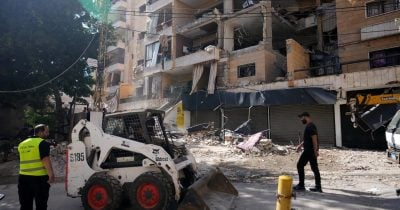
Israeli airstrikes continued across southern Lebanon on Thursday, with no sign of a letup in the monthslong conflict with the armed group Hezbollah. The strikes hit multiple areas near the border, according to residents and local officials, rattling communities already strained by the fighting.
What the latest strikes hit
Witnesses reported explosions in at least half a dozen villages along the frontier. The Israeli military described the targets as Hezbollah positions, including observation posts and rocket-launch sites. No immediate casualty figures were available from either side.
The bombardment follows a pattern that has defined large stretches of this year: Israeli jets and drones hitting what it calls military infrastructure, while Hezbollah fires rockets and drones into northern Israel. The tit-for-tat exchanges have pushed displacement into the tens of thousands on both sides.
Why the fighting won't stop
Neither side has signaled willingness to de-escalate. Israeli leaders have framed the campaign as necessary to push Hezbollah away from the border, restoring security to evacuated Israeli communities. Hezbollah, a powerful Iranian-backed militia, casts its attacks as solidarity with Palestinians in Gaza, linking the Lebanon front to the wider regional conflict.
Diplomatic efforts, including shuttle missions by Western and UN envoys, have failed to produce a ceasefire. The UN peacekeeping force in southern Lebanon, UNIFIL, has reported frequent violations of the 2006 ceasefire resolution that ended the last major war between Israel and Hezbollah.
What's it like for people on the ground
In southern Lebanese towns like Khiam and Bint Jbeil, residents described a near-constant drone buzz. Farmers have abandoned fields. Schools have shut. The Lebanese government says hundreds of homes have been damaged or destroyed, though an exact tally is hard to confirm given restricted access.
On the Israeli side, the army has kept a large force along the northern border. Communities like Kiryat Shmona stand largely empty. Air-raid sirens sound daily. The economy minister recently said the cost of the evacuation and lost tourism runs into the billions of shekels.
What comes next
For now, the strikes continue. The Israeli air force has shown no reluctance to hit deep inside Lebanese territory. Hezbollah leader Hassan Nasrallah, in a televised speech last week, vowed to keep fighting. The UN Security Council is scheduled to discuss the situation in the coming days, but no resolution is expected to bring an immediate halt.