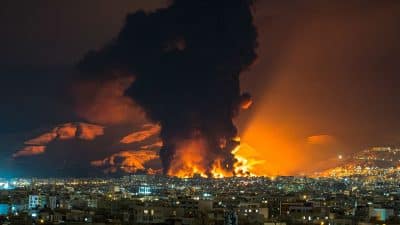
Israeli airstrikes across southern Lebanon are casting serious doubt on a planned military withdrawal that was set to be completed by June 2026, according to regional officials and security analysts. The strikes, which have intensified over the past week, suggest the region could face prolonged instability rather than the de-escalation many had hoped for.
Why the withdrawal is in doubt
The planned withdrawal of forces, agreed upon under a previous framework, was intended to reduce tensions along the border. But the recent airstrikes have shattered any sense of progress. Each new strike erodes trust between the parties and pushes the timeline further out of reach. Local residents report hearing explosions near several villages, though exact casualty figures remain unconfirmed.
Military observers say the airstrikes appear aimed at Hezbollah positions, but the broader impact is clear: the path to a June 2026 withdrawal is now uncertain. Without a ceasefire or renewed negotiations, the region could see a return to the kind of low-level conflict that has plagued it for decades.
What the withdrawal was supposed to achieve
The withdrawal plan, when first announced, was seen as a rare diplomatic achievement. It promised to pull back forces from contested areas and open the door for reconstruction and investment. Many Lebanese families displaced by previous conflicts had begun to return, hoping the June 2026 deadline would hold.
Now those hopes are fading. The airstrikes have forced new evacuations in some border towns. Schools and businesses that had just started to reopen are closing again. The withdrawal, once a concrete goal, is beginning to look like a distant ambition.
Regional reactions and next steps
Neighboring countries have voiced concern but so far offered little concrete action. International mediators are quietly working behind the scenes to salvage the withdrawal timeline, though their efforts have yet to produce any public breakthroughs. The United Nations has called for restraint, but without a binding resolution, its words carry limited weight.
The coming weeks will determine whether diplomatic efforts can rescue the June 2026 withdrawal or if the region slides into a longer, more destructive cycle of violence. For now, the airstrikes continue, and the deadline slips further away.