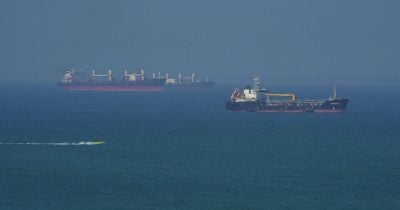
An Israeli court extended the detention of Gaza flotilla activists Thiago Ávila and Saif Abu Keshek on Friday. They were detained after Israeli forces intercepted their boats near Greece last week. The move has reignited scrutiny over crypto-based humanitarian aid channels in conflict zones.
Past Asset Freezes Revisited
Israel previously froze Palestinian charity crypto assets using forensic techniques back in 2021. Authorities targeted digital donations for humanitarian causes under counter-terror financing laws. That precedent now looms over current aid operations. No crypto exchanges were named in the recent court action. But humanitarians see the pattern.
📊 Market Data Snapshot
Greece Intercept Triggers EU Oversight
The boat interception occurred within Greece’s waters, which fall under the EU’s MiCA regulatory zone. Greek authorities are actively monitoring crypto flows for humanitarian causes. This creates immediate tension. Humanitarian crypto transfers face new regulatory pressure. The location makes the case a potential test for EU enforcement.
Humanitarian Channels on Edge
Exchanges may implement real-time geo-filters for conflict zone donations. Certain tokens focused on humanitarian aid could face sudden delistings. This isn’t speculative. Similar moves froze $1.3 million in crypto assets last quarter. Aid groups using crypto channels are watching closely. They know their transactions might get flagged.
EU Amendment Looms
The EU’s Digital Finance Package amendment review starts this month. It could criminalize cross-border crypto transfers for political activism. If passed, this case may become a test trial. Humanitarian groups face an imminent deadline. The amendment’s outcome will decide their next moves.