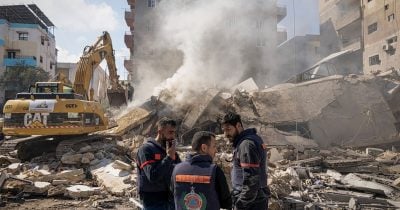
Israeli warplanes struck an Iranian petrochemical complex that intelligence reports linked to missile production, the military confirmed Wednesday. The attack, which hit the facility in the Khuzestan province, escalates the shadow war between the two nations and threatens to upend already fragile regional stability.
The Target: A Petrochemical Complex with Military Ties
The facility didn't just produce civilian plastics and fertilizers. Western intelligence agencies had flagged the site as a supplier of propellants and other chemical components for Iran's ballistic missile program. Israeli officials described the strike as a surgical blow aimed at degrading Tehran's ability to manufacture medium- and long-range weapons. But the exact damage remains unclear — satellite imagery isn't yet public, and Iran hasn't released a full assessment.
Regional Security on Shaky Ground
This isn't an isolated incident. Israel has carried out dozens of strikes inside Iran over the past two years, but hitting a large industrial plant marks a shift in scale. Neighboring countries are watching closely. Gulf states, which have quietly cooperated with Israel on Iran-related intelligence, now face a harder balancing act. Any miscalculation could draw them into a conflict they don't want. Meanwhile, Hezbollah and other Iranian-backed militias have their own calculus — and their response, if any, could set off a wider chain reaction.
Global Markets Feel the Jitters
The strike sent oil prices up nearly 3% in early trading. Traders worry about supply disruptions along the Strait of Hormuz, a chokepoint for about a fifth of the world's crude. Iran has threatened to block the strait in previous crises, and this attack gives it new reason to rattle that sabre. For now, the market is pricing in a risk premium, but a prolonged standoff could push prices higher — and squeeze economies already wrestling with inflation.
Diplomatic Efforts Take a Hit
The timing couldn't be worse for international mediators. The US, European powers, and the UN have been trying to revive nuclear negotiations and reduce tensions. This strike undermines those efforts — Iran says it won't talk under fire. The US State Department issued a muted statement calling for restraint, but stopped short of condemning Israel. That silence won't go unnoticed in Tehran, where hardliners see it as a green light for more attacks. The diplomatic path just got a lot narrower.
What happens next depends on two unknowns: whether Iran retaliates directly, and whether the US steps in to de-escalate or stays on the sidelines. The strike happened on Tuesday night local time; by Thursday morning, there was no public claim of responsibility from Iran or its proxies. That quiet might not last.