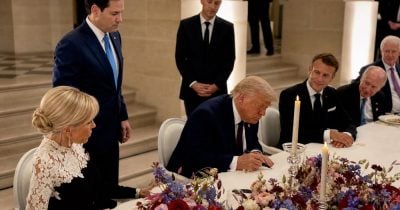
Vice President JD Vance this week publicly defended the newly signed US-Iran peace agreement, a deal that could reshape global oil flows and, by extension, crypto markets. Speaking Wednesday, Vance cautioned Israel against criticizing the accord, which Washington sees as a tool to stabilize energy prices. For digital asset traders, the immediate question is whether cheaper crude translates into a less volatile macro backdrop — or whether the diplomatic rift with Israel introduces new geopolitical risk.
Why the Iran deal matters for crypto
The agreement, if it holds, would lift sanctions on Iranian oil exports and add supply to a market still recovering from last year's supply shocks. Lower oil prices tend to ease inflationary pressure, which historically has been a tailwind for risk assets including Bitcoin. But the correlation isn't mechanical. Crypto markets have also reacted sharply to sudden geopolitical flashpoints, and the deal's implementation over the coming months will be closely watched by traders who treat oil as a proxy for global stability.
Strains with Israel
Vance's warning to Israel marks a rare public break between the two allies. Israel had lobbied against the agreement, arguing it would embolden Iran. The tension is unlikely to disrupt the deal immediately, but it complicates the diplomatic calculus. For crypto investors, the risk is that a worsening US-Israel relationship could spill into regional instability — something markets have historically priced in through higher volatility. So far, the reaction in crypto has been muted, but the situation is fluid.
Domestic pushback
Back home, the agreement faces skepticism from both parties. Critics question whether Iran will abide by the terms and whether the deal actually strengthens the regime. Vance acknowledged the concerns but argued the alternative — continued sanctions and potential conflict — was worse. The political fight could delay implementation, which would keep oil markets in limbo and push crypto traders to price in a longer period of uncertainty.
The White House has not set a firm timeline for lifting sanctions. Until then, the crypto market will watch oil inventories and the next round of US-Israel talks — both of which could move prices faster than any on-chain metric.