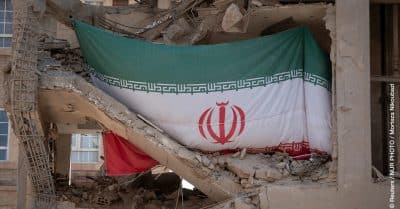
Senator JD Vance has laid out a set of US conditions that would govern foreign investment in Iran, a framework that could shift the balance of economic power in the Middle East if Tehran agrees to the terms.
The proposed investment framework
Vance, an Ohio Republican, outlined the conditions as part of a broader effort to restrict Iran's access to foreign capital until it meets specific demands. The framework doesn't spell out every detail, but it ties investment directly to Iran's compliance with what Vance called stringent requirements. The proposal is seen as a way to pressure Tehran without resorting to new sanctions or military action.
Conditions tied to compliance
Under the outlined plan, any foreign entity looking to invest in Iran would first need to ensure the country is meeting US benchmarks on issues like nuclear enrichment, ballistic missile development, and support for regional proxies. The conditions are not negotiable, Vance indicated, and would apply to both new and existing investment deals. That means even countries currently doing business with Iran, such as China or Russia, would have to comply if they want continued access to US financial markets.
Potential economic impact on the region
The investment framework could reshape Middle Eastern economic dynamics. If Iran meets the conditions, it could attract billions in foreign capital that has been locked out for years. That would boost its economy and potentially reduce tensions with neighbors. But if Tehran balks, the framework could deepen its isolation, pushing it closer to partners like Russia and China while cutting off Western investment. The ripple effects would be felt across the Gulf, where countries like Saudi Arabia and the UAE have been vying for economic influence.
What happens next
Vance's proposal is still in its early stages. It would need to be formally adopted by the administration or passed by Congress to take effect. For now, it's a signal to both Tehran and international investors that the US is serious about linking capital to compliance. Whether Iran will accept those terms is the open question that hangs over the entire plan.