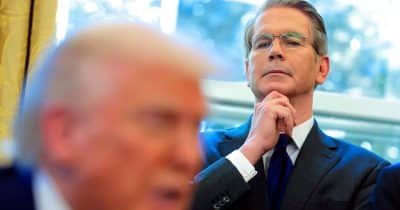
Iran is complying with the terms of the Strait of Hormuz agreement, according to a report from Senator JD Vance. The development could help stabilize regional trade through one of the world's busiest shipping lanes and open new diplomatic channels between the two countries.
What the agreement covers
The Strait of Hormuz is a narrow waterway connecting the Persian Gulf to the Gulf of Oman. About a fifth of the world's oil and a quarter of its liquefied natural gas passes through it. The agreement, whose exact terms have not been made public, appears to focus on freedom of navigation and de-escalation of maritime tensions. Vance's report marks the first time a U.S. official has publicly confirmed Iranian compliance since the pact was negotiated.
Potential economic impact
Stable passage through the strait matters far beyond the region. Shipping companies and insurers had jacked up premiums after a series of tanker seizures and drone attacks last year. If Iran sticks to the deal, those costs could fall. Lower risk often means lower oil prices at the pump. Global supply chains, already stretched by wars and pandemic aftershocks, may get a small but welcome break.
Trade flows through the strait had dipped by roughly 15% during the peak of tensions, according to industry tracking data. A return to normal traffic would boost revenues for Gulf states and reassure importers in Asia and Europe that rely on the route for crude and liquefied gas.
Diplomatic openings
The compliance report also hints at a possible thaw in U.S.-Iran relations, which have been frozen since Washington pulled out of the nuclear deal in 2018. Vance, a Republican, has been an occasional critic of the Biden administration's Iran policy, so his positive assessment carries weight. It suggests that back-channel talks, which have been rumored for months, are producing concrete results.
If the agreement holds, it could pave the way for broader discussions on Iran's nuclear program, its support for proxy militias, and humanitarian issues like prisoner swaps. No formal negotiations have been announced, but diplomats from Oman and Qatar have been shuttling messages between Tehran and Washington.
Uncertainties ahead
Compliance is one thing. Durability is another. Hardliners in Iran's Islamic Revolutionary Guard Corps have previously undermined deals they saw as concessions to the West. On the U.S. side, any agreement that looks like a reward for Iran risks backlash from Israel and Gulf allies. Vance's report did not specify how long Iran has been complying or whether the arrangement includes verification measures.
The next test will come when the next tanker passes through the strait. If it does so without incident, the agreement will look more real. If another seizure occurs, the fragile trust will shatter. For now, the shipping lanes stay open, and the diplomats keep talking.